
What’s Next 2.0: Updated Guidance for Homeowners Beginning Their Rebuild After the Los Angeles Wildfires
In the weeks following the Los Angeles wildfires, our original “What’s Next?” article outlined the immediate steps homeowners needed to take. Now, months later, conditions have shifted. The rebuilding environment is clearer, more structured, and—unfortunately—more complex in certain areas.
This updated guide reflects what has changed, what we’ve learned, and what homeowners beginning their rebuild today should expect moving forward.
1. The Rebuild Environment Has Evolved.

Permitting Is More Structured—but Still Slow
Local agencies now have clearer rebuild pathways and dedicated staff familiar with WUI (Wildland–Urban Interface) requirements. Homeowners receive more consistent guidance than in the early weeks.
However, demand is high, and plan review times remain slow.
The single biggest source of delays right now: incomplete plan sets that trigger multiple review cycles.
What this means for your project:
A fully coordinated set of drawings—architectural, structural, civil, energy—can save weeks or even months.
Construction Costs Are Higher Than Before
Post-fire conditions have driven up:
Material costs
Labor costs
Availability of WUI-rated assemblies
Long lead times for windows, roofing, vents, and exterior cladding
Many homeowners are discovering that their pre-fire insurance budgetsno longer align with current market conditions.
Early budgeting and realistic allowances are now essential.
We Better Understand Where Homes Failed
Across burned neighborhoods, several clear patterns emerged:
Ember entry caused most home losses
Vulnerable vents, eaves, and roof transitions allowed ignition
Landscaping too close to structures intensified fire behavior
These insights now guide safer, more resilient design decisions.
2. What We’ve Learned - The First Wave of Rebuilds.
Early Architectural Engagement Leads to Better Outcomes
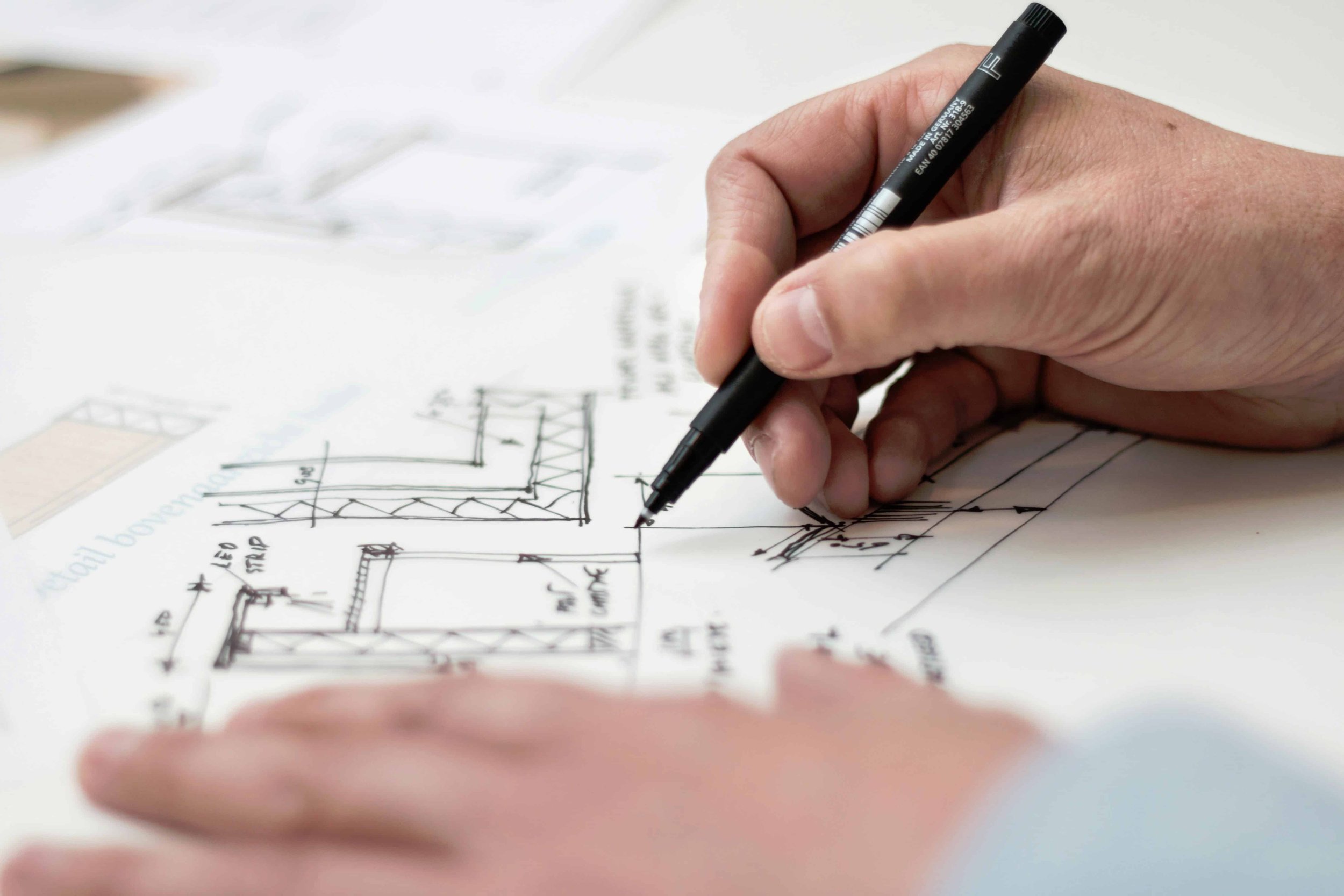
Homeowners who brought their architect in early moved through design and permitting more efficiently. Early planning helps resolve:
WUI compliance
Site-specific considerations
Code updates
Material choices
Budget alignment
This reduces changes and surprises later.
Rebuild Timelines Are Longer Than Most People Expect
Even with improved workflows, rebuild timelines continue to be affected by:
Limited availability of skilled trades
Extended material procurement times
High regional demand
A realistic timeline for full rebuilds is 18–30 months from design start to move-in.
“Like-for-Like” Rebuilds Aren’t Always Simple
While some homeowners qualify to rebuild using prior plans, most will still need updates to meet current WUI and energy standards.
Treat “like-for-like” as a helpful starting point—not an automatic shortcut.
3. New Challenges Homeowners Are Facing Now.
Insurance Gaps Related to Rising Costs
Construction costs have increased faster than many policies were updated. This can create challenges when defining scope and selecting materials.
Material Availability Issues
WUI-compliant components—especially windows, doors, vents, and roofing—have long lead times.
Ordering early is now essential to maintaining your project’s schedule.
Contractor Scheduling Constraints
Contractors in affected areas are booking months ahead.
Selecting your builder early improves:
Cost accuracy
Schedule reliability
Procurement planning
Shifts in Site Conditions
After a fire, soil stability, drainage paths, and retaining conditions can change. These must be addressed before design can be finalized.
4. Red Flags to Avoid.
Promises of unrealistic rebuild timelines (“We can do this in 10–12 months”)
Using pre-fire plans without updating for WUI, structural, and energy code changes
Contractors providing verbal pricing only
No survey or geotechnical review conducted early
Consultants who minimize the importance of WUI detailing
These often lead to costly delays or failed plan checks.
5. How to Rebuild Faster—Without Sacrificing Quality.
Submit a Complete, Coordinated Plan Set
Permitting moves significantly faster when:
Architectural, structural, and civil sheets align
WUI assemblies and details are clearly defined
Energy modeling is integrated from the start
Grading and drainage plans are accurate
Incomplete submissions remain the #1 cause of prolonged review cycles.
Make Key Design Decisions Early
Fast-moving projects share one characteristic:
Homeowners commit early to layout, exterior materials, and window/door systems. Indecision or late changes can add months to your timeline.
Secure Your Contractor Early
Builders are in high demand. Engaging your contractor during design allows for:
Realistic pricing
Early planning for long-lead materials
Better schedule forecasting
Plan for Long Lead-Time Materials
Especially:
WUI-rated windows and doors
Non-combustible siding
Class A roofing
Ember-resistant vents
Metalwork and exterior detailing
Pre-ordering these can prevent significant delays once construction begins.
Design for Long-Term Resilience
WUI compliance is no longer an “add-on”—it’s the baseline.
Resilient detailing often leads to fewer questions during plan review and a smoother path to approval.
6. A Simple Rebuild Checklist.
Planning
Schedule architectural site visit
Review insurance payout vs. current construction costs
Order updated survey and geotechnical evaluation
Design
Establish a realistic budget range
Finalize layout and key exterior materials early
Review WUI assemblies with your architect
Permitting
Submit a complete, coordinated plan set
Respond promptly to plan review comments
Expect at least one revision cycle
Construction Prep
Secure your contractor early
Order long-lead materials
Build a realistic and flexible construction schedule
Moving Forward.

The post-fire rebuilding landscape continues to evolve, but homeowners starting their projects now benefit from clearer guidelines and stronger insights than were available in the early weeks after the fires.
With thoughtful planning, early coordination, and realistic expectations, you can rebuild a home that is safer, stronger, and better prepared for the future.