
How Long Does It Really Take to Get a Permit in Los Angeles
Adaptive reuse is an architectural approach that repurposes an existing building for a new use, rather than demolishing it and constructing something entirely new. The process involves retaining and adapting portions of the original structure—such as the building envelope, structural system, or spatial volume—while modifying other elements to support contemporary programs, life‑safety requirements, and building codes.
Common examples include converting industrial buildings into restaurants or gyms, former utility or manufacturing structures into public‑facing commercial spaces, or obsolete facilities into mixed‑use properties. In many cases, the original use of the building differs entirely from its new function.
At its core, adaptive reuse is about working within existing constraints—structural, spatial, and regulatory—while allowing a building to evolve.
Why Adaptive Reuse Matters
Adaptive reuse has become increasingly relevant as cities look for more economical and context‑sensitive development strategies. Instead of removing older buildings and starting over, reuse projects extend the usefulness of structures that already occupy valuable urban land.
Benefits often include:
Reduced demolition waste and embodied carbon
Preservation of neighborhood character and scale
Faster entitlement pathways in certain jurisdictions
The ability to re‑activate underused or obsolete buildings
In Southern California, where many industrial and early commercial buildings remain structurally intact but functionally outdated, adaptive reuse has become a practical tool for urban reinvestment rather than nostalgia.
California Policy Support for Adaptive Reuse
Adaptive reuse in California is no longer driven solely by design intent or sustainability goals—it is increasingly reinforced by state policy.
In 2025, California enacted Assembly Bill 507, one of the most significant legislative efforts to streamline adaptive reuse projects statewide. Under AB 507, qualifying adaptive reuse housing projects are permitted by right, overriding local zoning constraints and removing discretionary review. Projects that meet objective standards are approved ministerially, removing discretionary hearings and reducing entitlement timelines that can otherwise dominate reuse feasibility.
Importantly, AB 507 also removes parking requirements for portions of existing buildings without on‑site parking and limits environmental review by placing qualifying projects outside the conventional California Environmental Quality Act (CEQA) process. For many conversions, this shifts feasibility from speculative to practical.
Adaptive Reuse vs. Renovation vs. Historic Preservation
Although often conflated, these approaches describe different scopes of work:
Renovation updates a building without changing its use
Historic preservation prioritizes retaining original character, often under strict regulation
Adaptive reuse involves a change of use, frequently triggering new code, accessibility, and life‑safety requirements
An adaptive reuse project may incorporate preservation strategies, but it is defined by programmatic transformation, not simply restoration.
Structural and Code Challenges in Adaptive Reuse
One of the defining aspects of adaptive reuse is the need to reconcile older construction methods with modern performance standards.
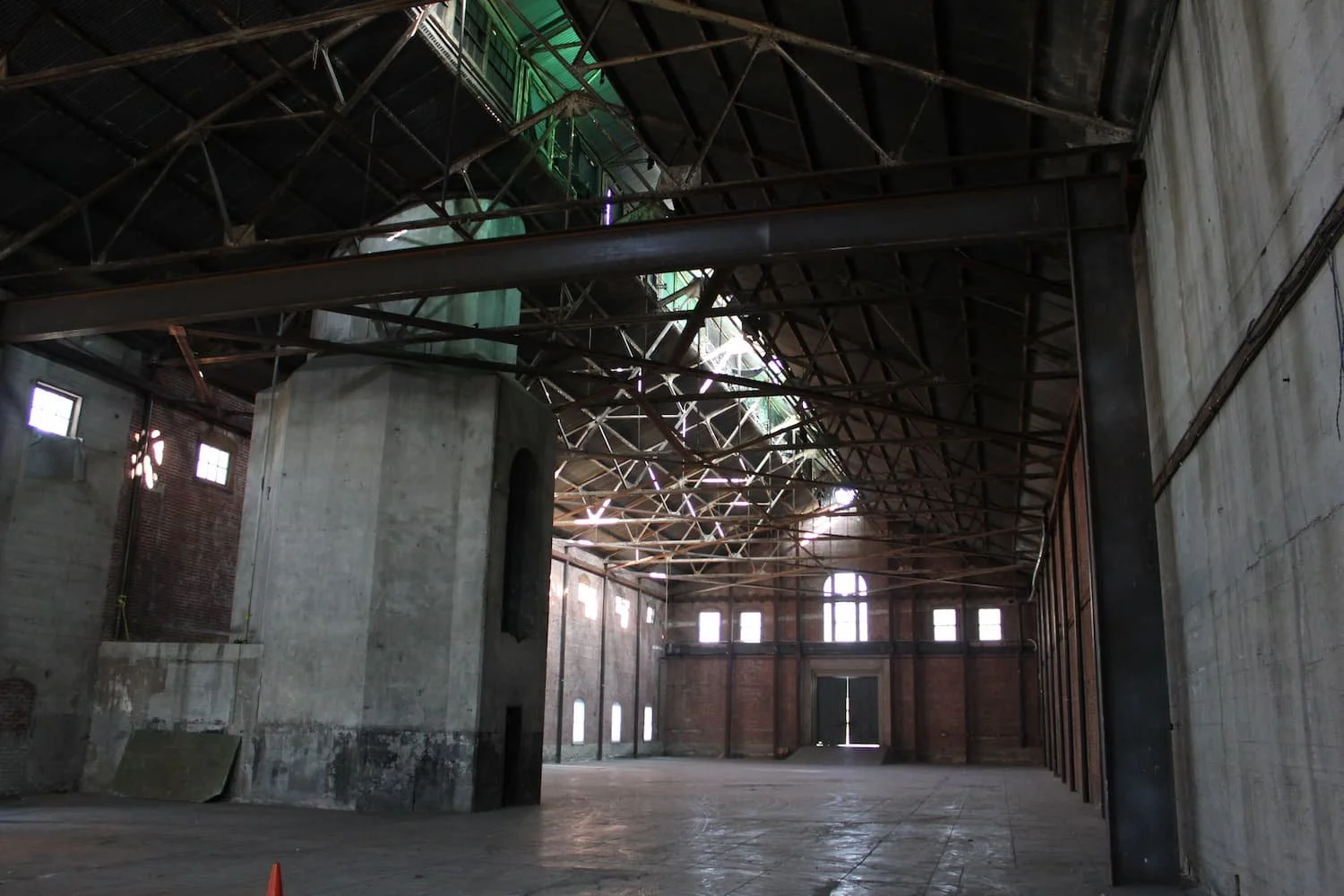
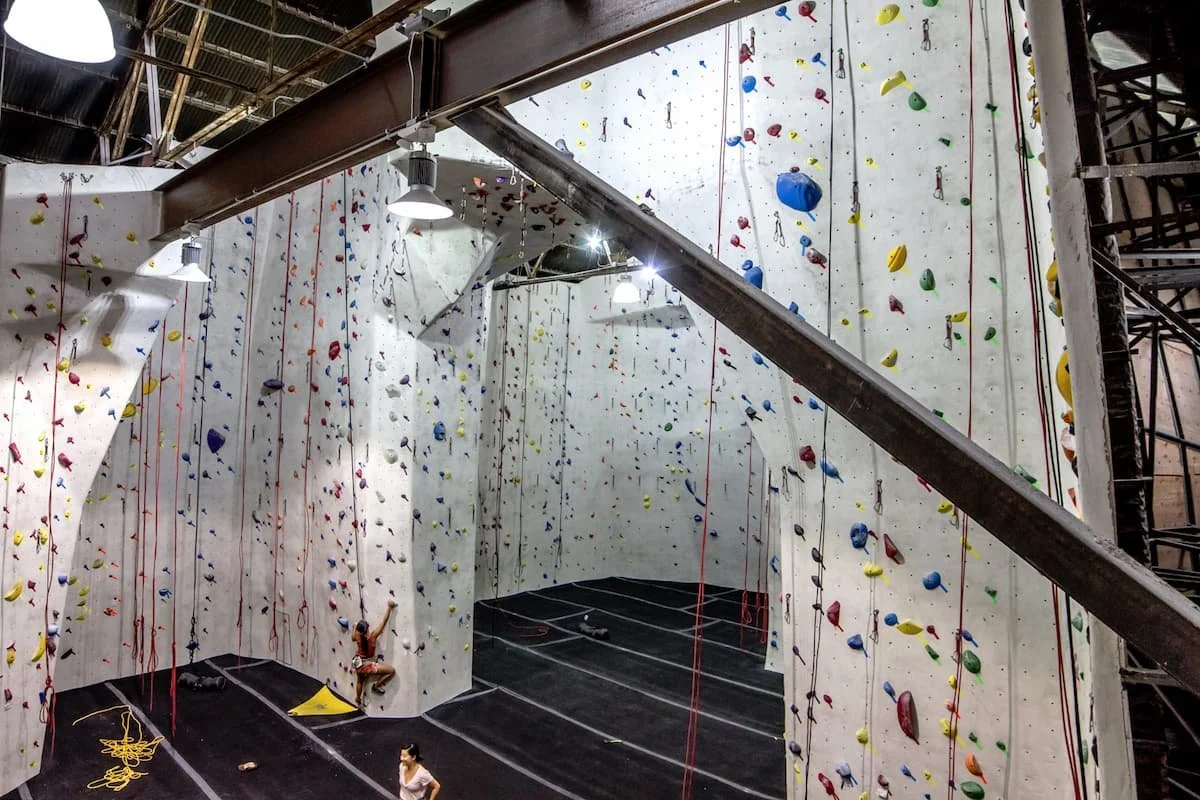
For example, at the Stronghold Climbing Gym in Lincoln Heights, the project reused a nearly 100‑year‑old utility building originally operated by Edison Electric to help power early Los Angeles. While the building shell remained largely intact, its unreinforced masonry (URM) walls did not comply with current seismic and safety codes.
Rather than demolishing the structure, a new independent structural system was introduced inside the existing building, relieving the historic masonry walls of gravity and lateral loads. This approach allowed the building to meet modern code requirements while maintaining the original volume, material presence, and historic character—illustrating how adaptive reuse often involves adding new structure in service of old architecture, rather than replacing it.
Building Codes, Historic Structures, and Tax Incentives
Many adaptive reuse projects involve older buildings constructed under codes and methods that predate modern seismic, fire, and accessibility standards. California addresses this gap through the California Historic Building Code, which allows alternative compliance paths when strict modern equivalency would otherwise require demolition or fundamental alteration of historic fabric.
Rather than applying new‑construction logic wholesale, the Historic Building Code permits performance‑based solutions—acknowledging that safety can be achieved without erasing the character, massing, or spatial qualities that give reused buildings their value.
For designated historic properties, adaptive reuse can also unlock financial incentives through the Mills Act, a state‑enabled property tax abatement program administered by local jurisdictions. Mills Act contracts can significantly reduce assessed property taxes in exchange for long‑term preservation commitments, often improving the viability of complex reuse projects where rehabilitation costs would otherwise exceed those of new construction.

Programmatic Transformation and Mixed‑Use Opportunities
Adaptive reuse is particularly effective where the original program no longer matches contemporary needs, but the building itself remains viable.
Projects such as 101 Cider House and The Revery demonstrate this strategy within a former fish packing facility. Originally designed for an industrial use far removed from public occupancy, the building was repurposed into a vertical mixed‑use property, with a production‑oriented cider hall at ground level and a hospitality space above.
Through targeted upgrades—structural improvements, building systems integration, and code compliance—the spaces were reactivated without erasing their industrial origins. Although the two projects serve different uses, both rely on the same underlying premise: that a building’s original purpose does not have to dictate its future, so long as the design accounts for safety, performance, and use.
The Adaptive Reuse Design Process
Adaptive reuse projects typically begin with a forensic analysis of the existing structure, including:
Structural capacity and limitations
Zoning and change‑of‑use implications
Life‑safety and accessibility upgrades
Existing envelope and material conditions
Discrepancies between archival drawings and field conditions
Unlike new construction, reuse projects often reveal constraints gradually, requiring an iterative and investigative design process. Decisions are shaped as much by what is discovered as by what is proposed.
When Adaptive Reuse Makes Sense
Adaptive reuse is often advantageous when:
The existing structure is fundamentally sound
Site or zoning restrictions limit new construction
Preserving scale or character benefits the surrounding context
Sustainability goals favor reuse over replacement
A property’s value lies in its volume, toughness, or location rather than finish
In these cases, adaptive reuse becomes less about sentiment and more about responsible architectural decision‑making.
Adaptive Reuse as a Feasibility Strategy, Not an Exception
Together, these policies signal a shift in how California approaches existing buildings. Adaptive reuse is no longer framed as a niche preservation effort or a code anomaly—it is increasingly treated as a viable development strategy aligned with housing production, sustainability, and economic reuse of underperforming real estate.
However, these incentives do not remove the technical complexity of reuse. Structural retrofitting, life‑safety upgrades, and programmatic transformation still require careful analysis and coordination. The difference is that the regulatory environment now supports—rather than resists—the effort to make old buildings work again.
Adaptive Reuse as an Architectural Strategy
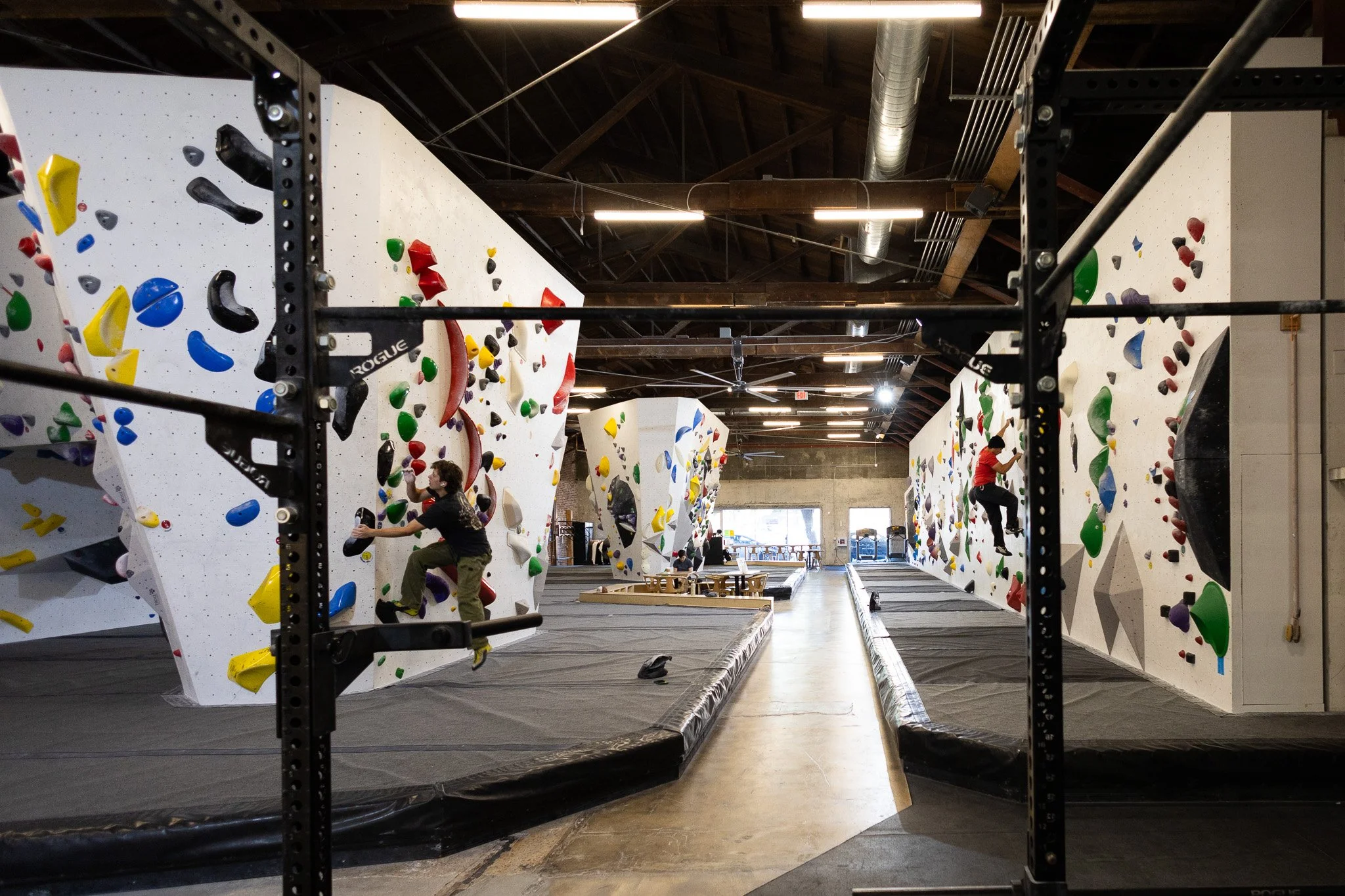
Adaptive reuse is not a style—it is a strategy that demands technical judgment, coordination with consultants, and a clear understanding of how buildings age, behave, and adapt over time.
When executed thoughtfully, adaptive reuse allows buildings built for one moment in history—whether utility infrastructure, industrial production, or storage—to continue serving the city in entirely new ways. If looking to develop an adaptive reuse project, please reach out to us here or feel free to give us a call.