
Why Existing Buildings Are Starting to Outperform New Construction
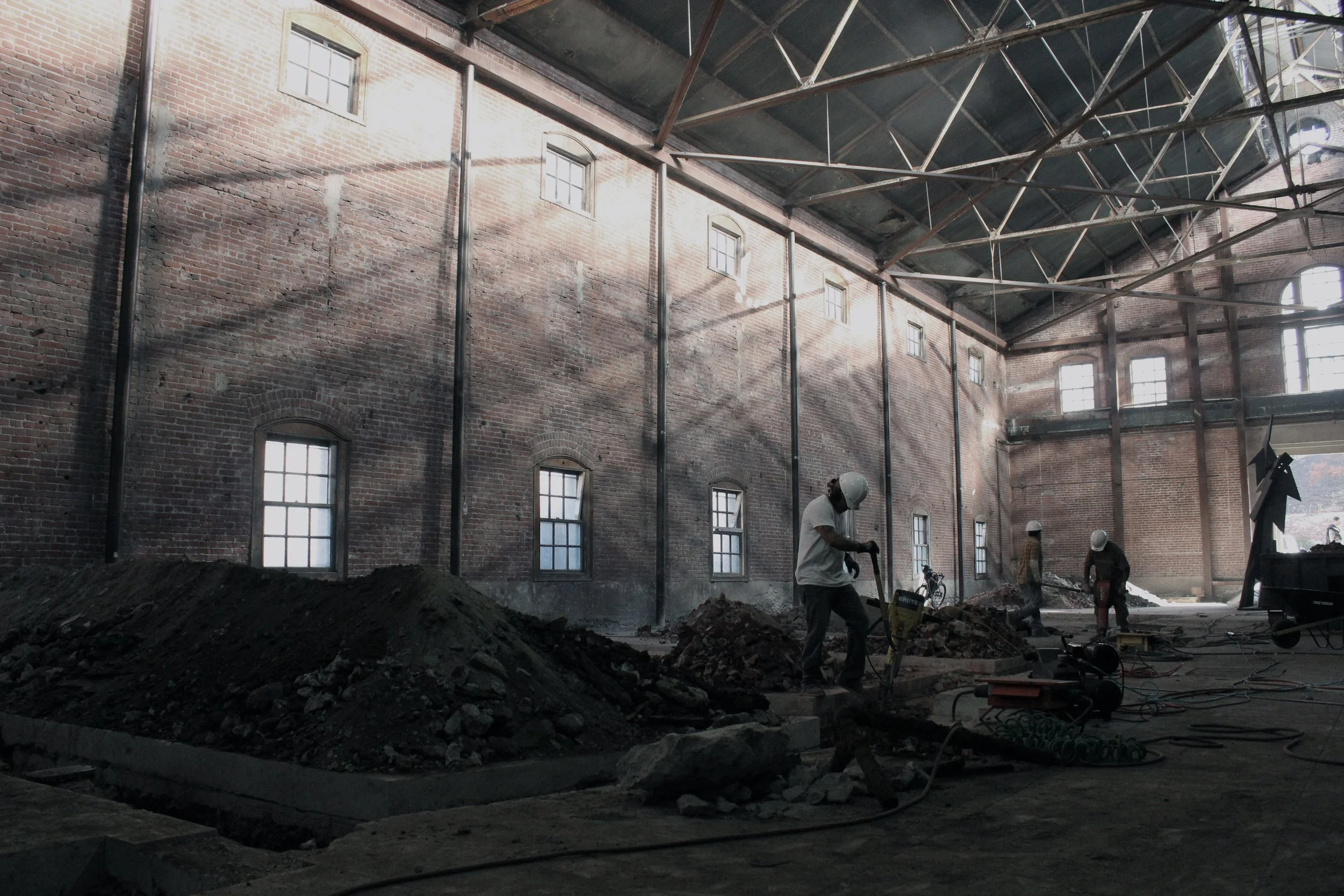
In Los Angeles, rising costs, longer approvals, and shifting policy are changing the development equation. Increasingly, the smartest projects may begin with what already exists.
Why Existing Buildings Are Getting a Second Look
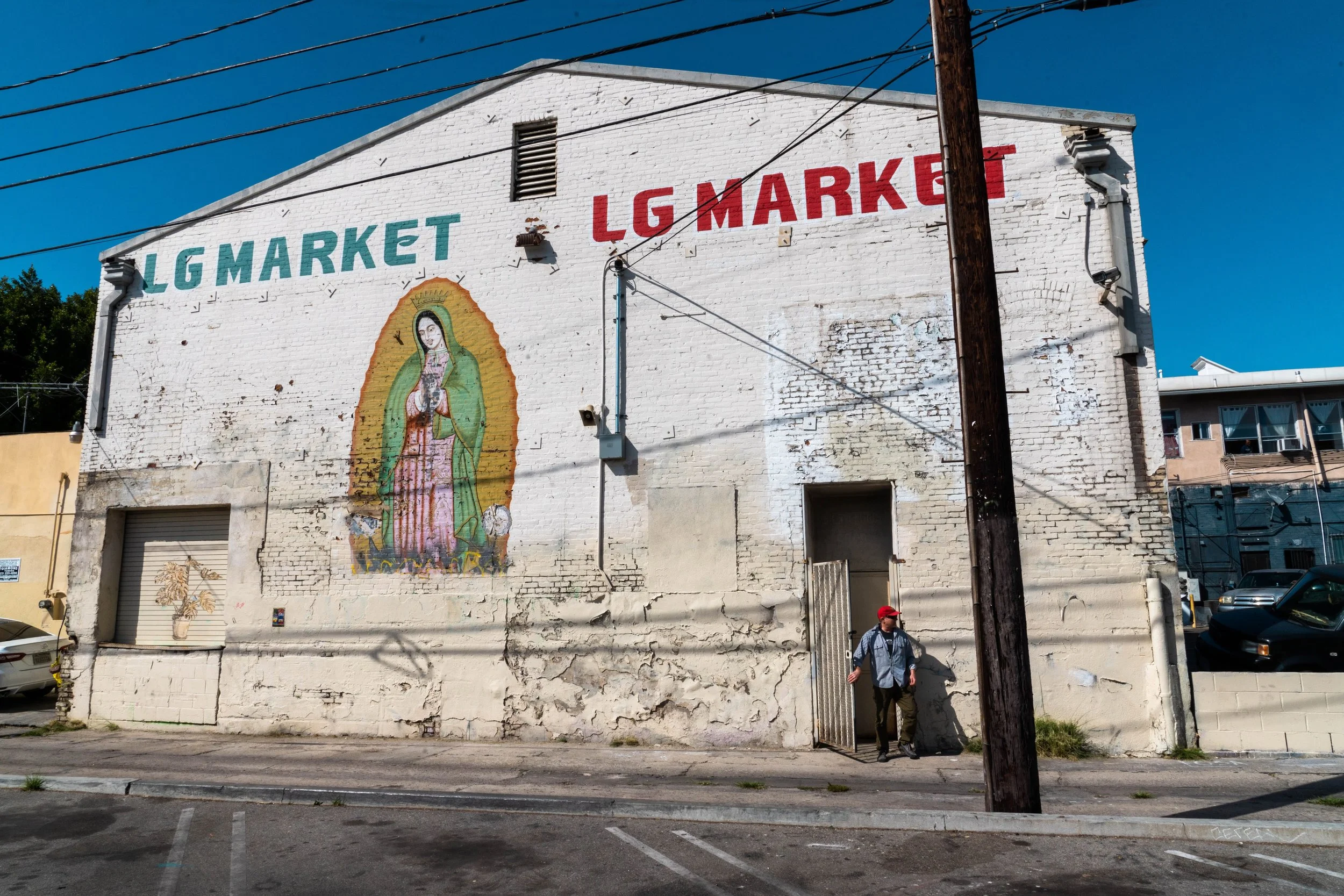
Existing Building for Stronghold Climbing Gym, Echo Park
For a long time, the default development logic in Los Angeles was simple: if a property had enough upside, you started over. Demolition and new construction were often treated as the cleanest path to value — a blank slate, fewer inherited constraints, and more control over the final result. That logic is becoming harder to defend. Los Angeles City Planning says the Citywide Adaptive Reuse Ordinance is intended to encourage the retention and conversion of underutilized existing buildings and structures to new housing through a faster review process, and the city’s fact sheet says the original 1999 ordinance enabled more than 12,000 housing units in Downtown Los Angeles alone.
What makes this shift important is that it is not being driven by nostalgia. It is being driven by feasibility. The Citywide Adaptive Reuse Ordinance expands eligibility beyond older downtown-era rules by allowing many conversions of buildings that are at least 15 years old through a more streamlined process, while the LA Conservancy says adaptive reuse is one of the least disruptive forms of development for adjacent neighborhoods because it avoids much of the demolition, excavation, and grading associated with redevelopment.
The Development Equation Has Changed
Construction costs remain high.Financing is more selective.Entitlement timelines are longer and harder to predict. Those pressures have changed how owners, developers, and design teams evaluate risk. In that environment, an existing building can start to look less like a constraint and more like an asset. Urban Land Institute reporting says adaptive reuse can offer lower acquisition costs, reduced time to market, and access to incentives that strengthen the business case, while Los Angeles reporting on the city’s updated ordinance says streamlined approvals can materially improve feasibility by reducing entitlement uncertainty.
That is the key shift: projects are no longer being judged only on what can be built. They are being judged on how much risk they carry, how long they will take, and how much uncertainty the market can realistically tolerate. In many cases, an existing building offers a better answer to those questions than a fully ground-up project does.
What Existing Buildings Already Have
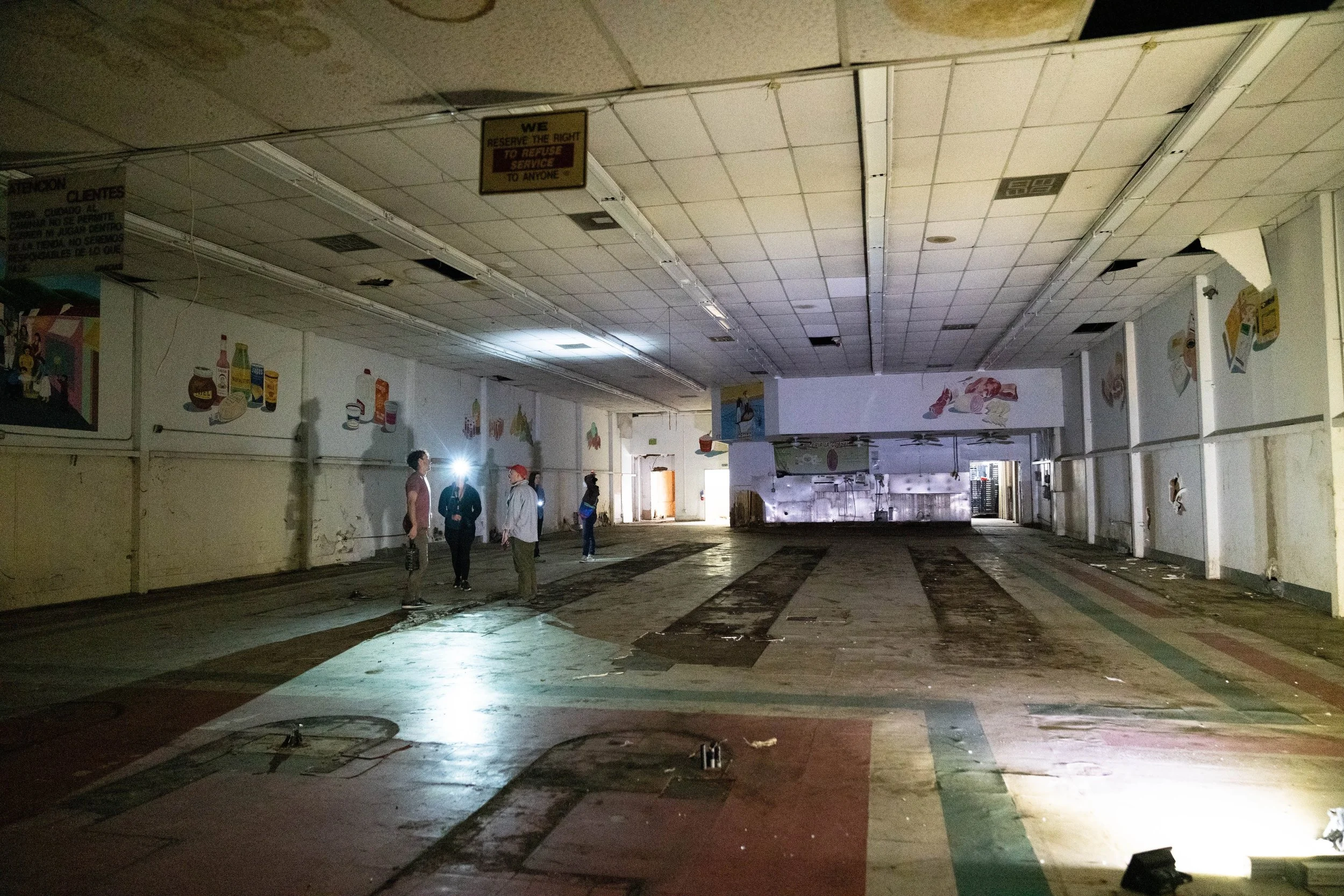
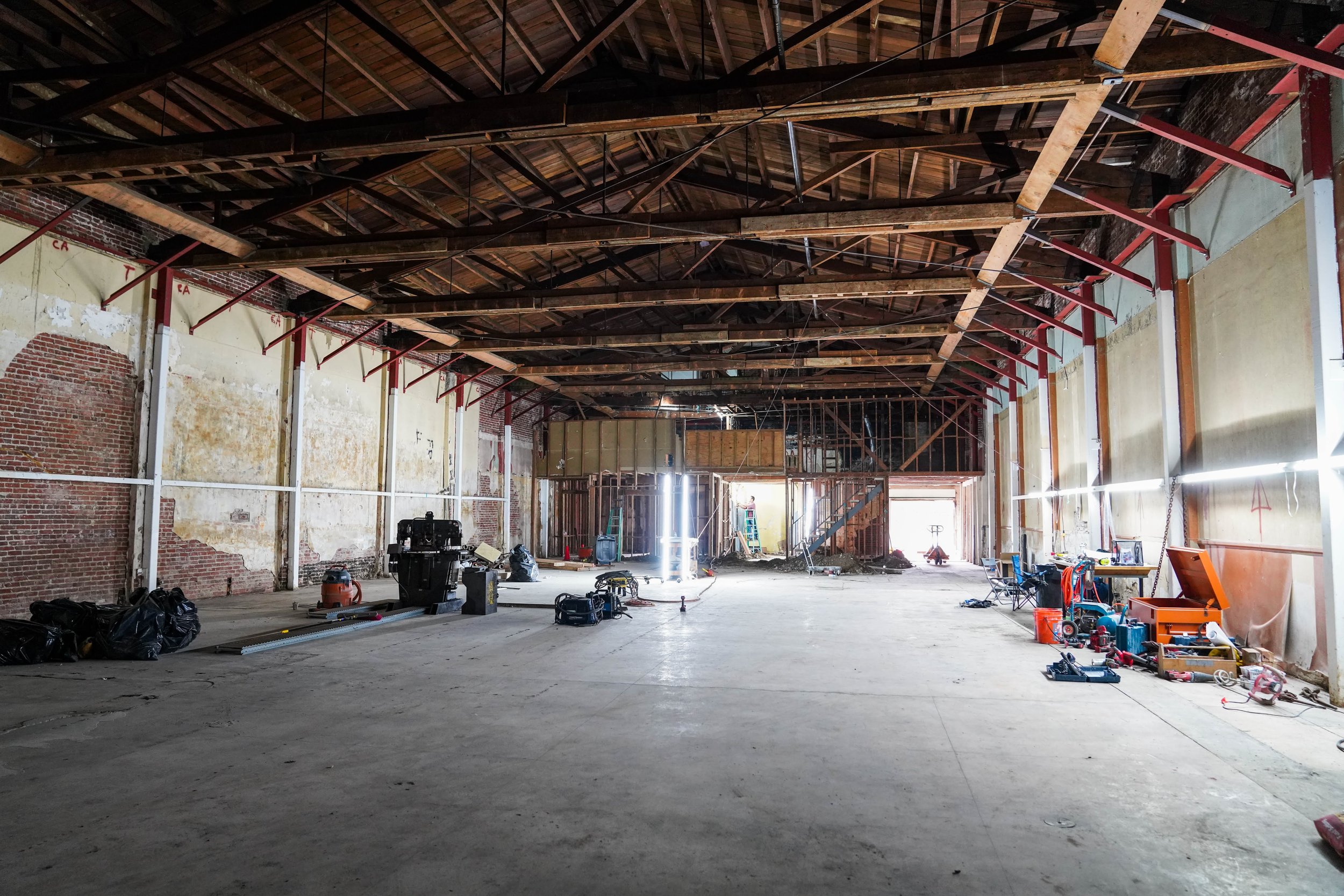
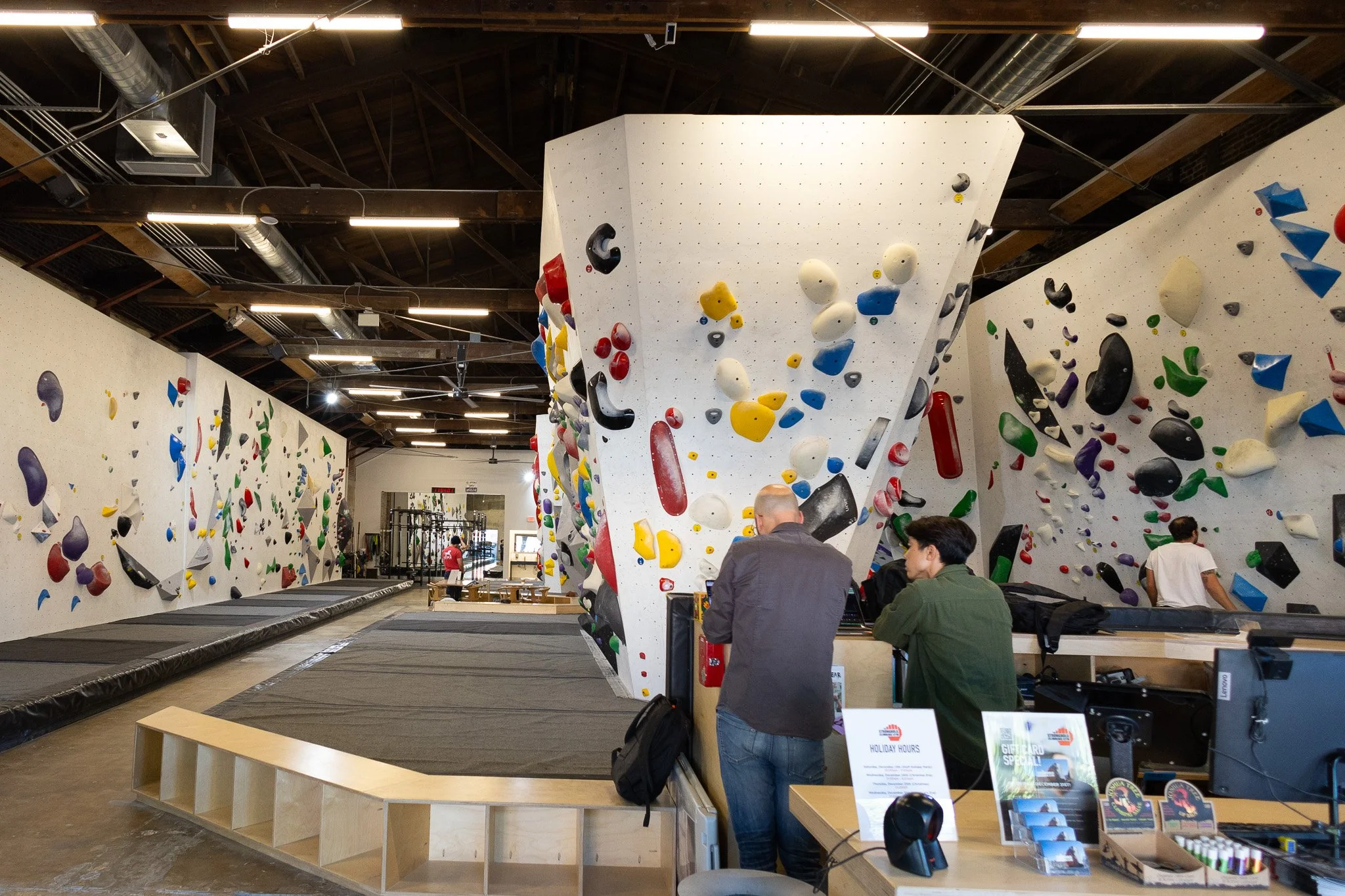
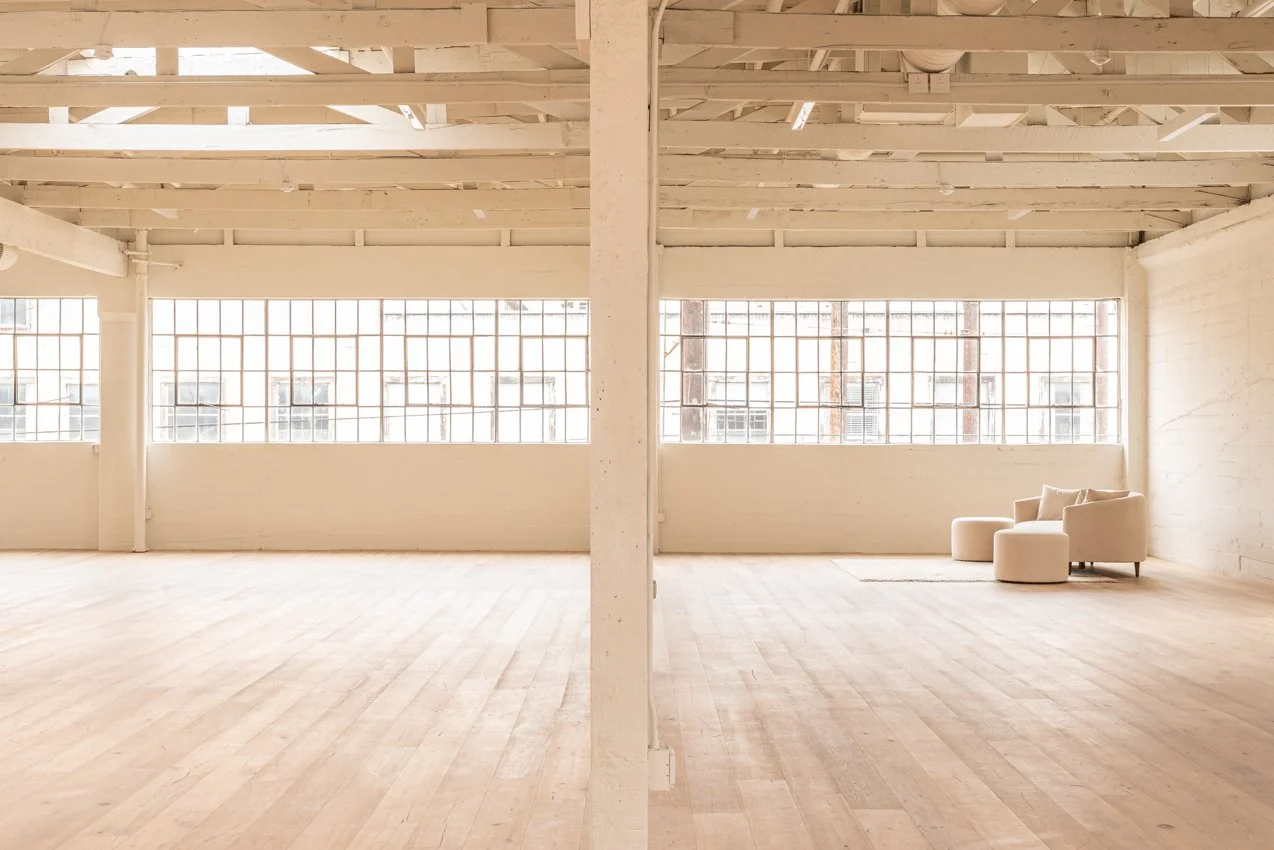
Before and After of Stronghold Climbing Gym, Echo Park
The value of an existing building is not just that it is standing. It is that it already contains investment. It may already have structure, utilities, circulation, site access, and a defined relationship to its surroundings. In some cases, it may also have a clearer path through review than a new development would. Los Angeles City Planning says the citywide ordinance is designed specifically to enable a faster review process for converting underutilized buildings into housing, and the fact sheet says the revised program is intended to make it easier to convert vacant office and commercial spaces into much-needed housing.
That kind of head start matters because the most expensive part of a project is often not the visible construction work. It is delay.It is redesign.It is uncertainty. When a building already offers a workable starting point, it can reduce the number of unknowns early enough to materially change the viability of the entire project. ULI’s reporting on adaptive reuse says that these projects can generate strong returns in part because they often reduce time to market and lower certain categories of development risk.
Where the Advantage Actually Shows Up
The advantage of an existing building rarely announces itself in a dramatic way. It usually shows up in the questions a team can answer earlier. What approvals actually apply? Which constraints are real and which are assumptions? How do existing conditions affect cost and timeline? Is the building flexible enough to support the new use? Ziese Architecture’s website says many projects do not begin with design decisions at all, but with questions around feasibility, approvals, scope, and risk, and it states that clarifying those issues early helps avoid delays, redesigns, and uncertainty later in the process.
This is part of why existing buildings can become more valuable in difficult markets. The value is not only in the structure itself. It is also in the possibility of a more knowable path forward. Los Angeles reporting on the ordinance says that taking entitlement risk off the table can materially improve conversion feasibility, while City Planning frames the ordinance itself as a tool to facilitate faster review and greater housing production.
Of course, reuse does not eliminate complexity. It changes where complexity lives. Instead of starting with demolition and a blank site, teams are working through structure, light, systems, code pathways, and what the building can realistically accommodate. Holland & Knight notes that Los Angeles office-to-residential conversions can be constrained by large floor plates, access to natural light, and the need for extensive plumbing, HVAC, and electrical retrofits, even while certain building types offer more feasible conversion opportunities.
Why Sustainability Has Become a Business Issue
The sustainability case for reusing buildings is not separate from the business case anymore. It is increasingly part of the same conversation. A joint AIA/National Trust resource says building reuse can avoid 50% to 75% of embodied carbon emissions compared with constructing an identical new building, because renovation typically reuses the most carbon-intensive parts of the building such as the foundation, structure, and envelope.
The EPA makes the same point from another angle: even a highly efficient new building can take decades to recover the energy lost in demolishing and replacing a comparable existing one. The agency says preservation and renovation can be a more sustainable alternative to redevelopment and that adaptive reuse helps reduce greenhouse gas emissions tied to new construction and demolition.
That matters in Los Angeles because policy is increasingly aligning housing production, sustainability, and building reuse. The LA Conservancy says adaptive reuse reduces the embodied carbon associated with carbon-intensive materials like concrete, steel, and glass, while also diverting waste from landfills. WorldGBC’s retrofit paper adds that because more than 80% of the buildings that will exist in 2050 have already been built, retrofitting existing buildings is central to decarbonization and resilience.
Not Every Building Is a Good Candidate
It is important to say this clearly: not every existing building should be reused. Some are too compromised. Some have layouts that do not support a viable new use. Some require so much intervention that the economics no longer work. Holland & Knight notes that many older buildings require major upgrades to plumbing, HVAC, electrical systems, and code compliance in order to function as residential or other updated occupancies.
Research reviewed in Frontiers reaches a similar conclusion, identifying interconnected challenges around economic viability, building condition, design and technical constraints, policy, and timeline in building reuse decisions. That is why the strongest projects tend to start with disciplined due diligence rather than optimism.
The Future May Already Be Built
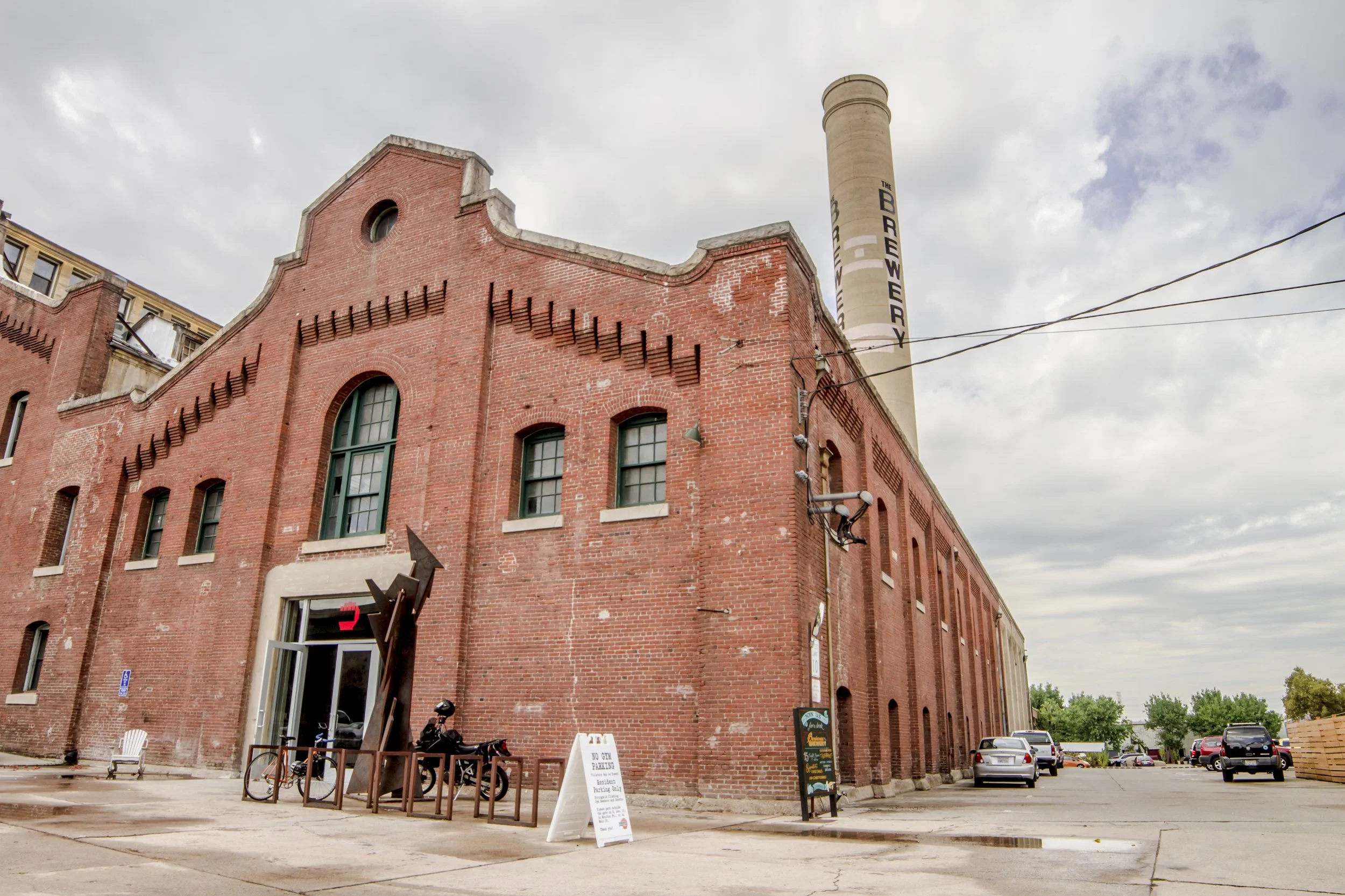
Exterior of Stronghold Climbing Gym, Lincoln Heights
Los Angeles has already demonstrated that building reuse can reshape neighborhoods at scale. City Planning’s fact sheet says the original adaptive reuse framework helped create more than 12,000 Downtown housing units, and more recent reporting says the updated citywide ordinance is intended to unlock a much larger pool of underutilized commercial buildings for housing conversion across the city.
That is the larger takeaway. Existing buildings are not becoming more valuable because they are old. They are becoming more valuable because, under the right conditions, they can offer a faster, lower-carbon, and often less risky path to useful space than new construction can. The future of many projects may depend less on what gets built from scratch and more on what can be intelligently retained, rethought, and repositioned.