
Perspectives on Architecture and Practice.
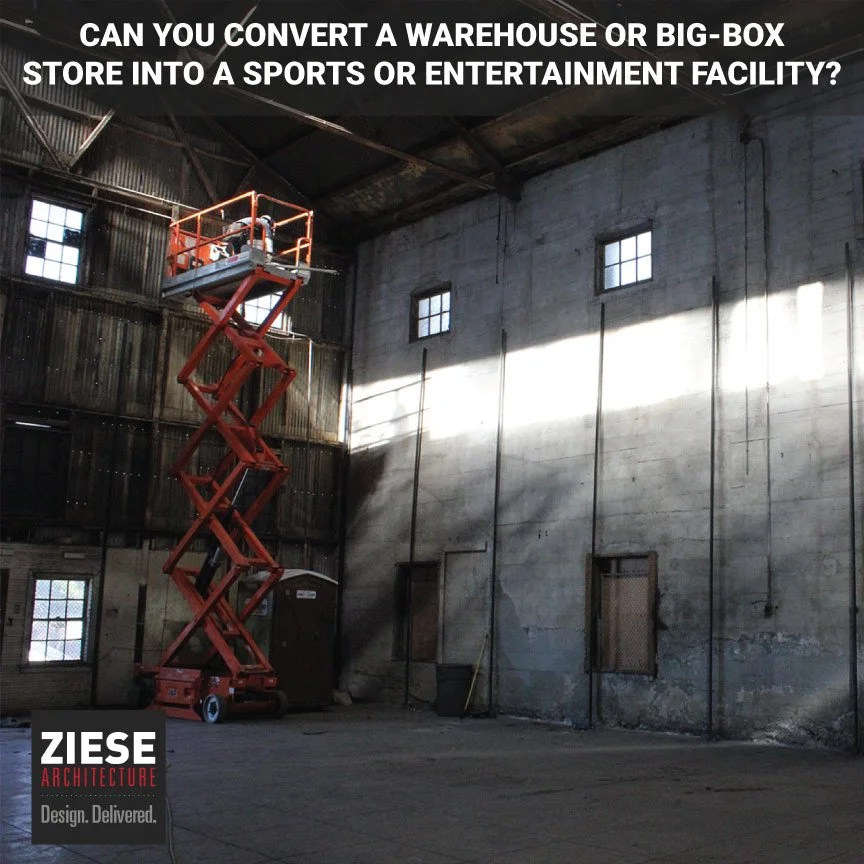
Can You Convert a Warehouse or Big-Box Store Into a Sports or Entertainment Facility?
Many sports and entertainment businesses begin with the same question: Can this building work for our concept? A vacant warehouse or former retail store may offer the size and visibility operators need, but factors such as ceiling height, parking, accessibility, structural capacity, and permitting can dramatically affect feasibility. This article examines what property owners and operators should evaluate before committing to a large commercial building conversion.
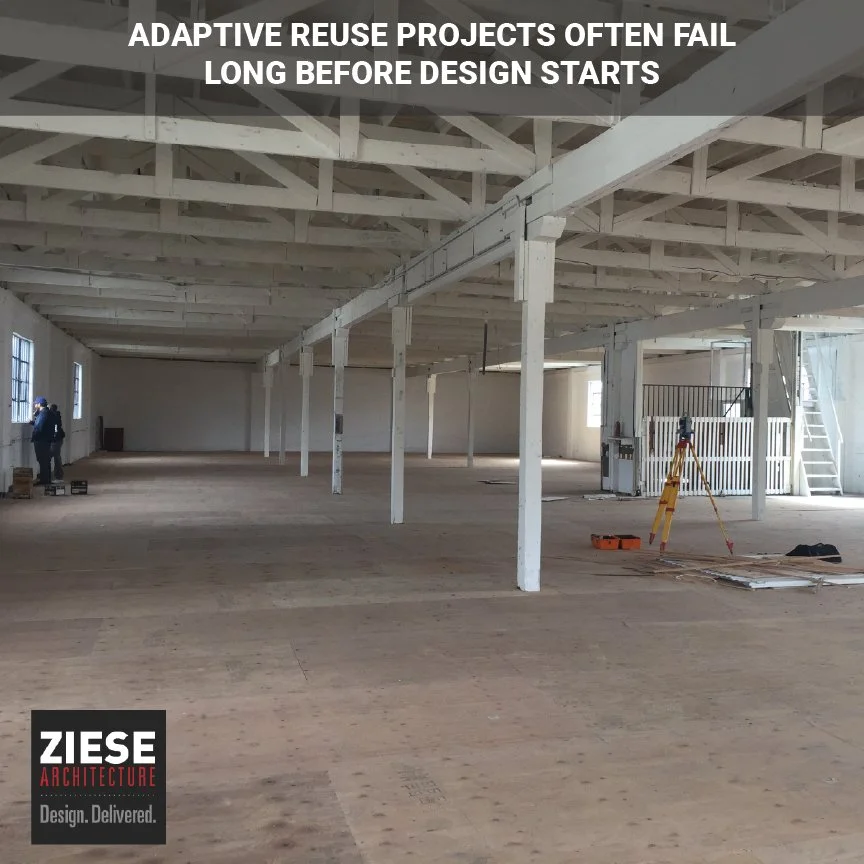
Adaptive Reuse Projects Often Fail Long Before Design Starts
Adaptive reuse projects often fail before design begins—not because the idea is weak, but because the early assumptions are. Existing conditions, code triggers, parking, structural limitations, entitlement pathways, and upgrade costs can reshape feasibility long before drawings start. The smartest teams begin with questions, not answers.
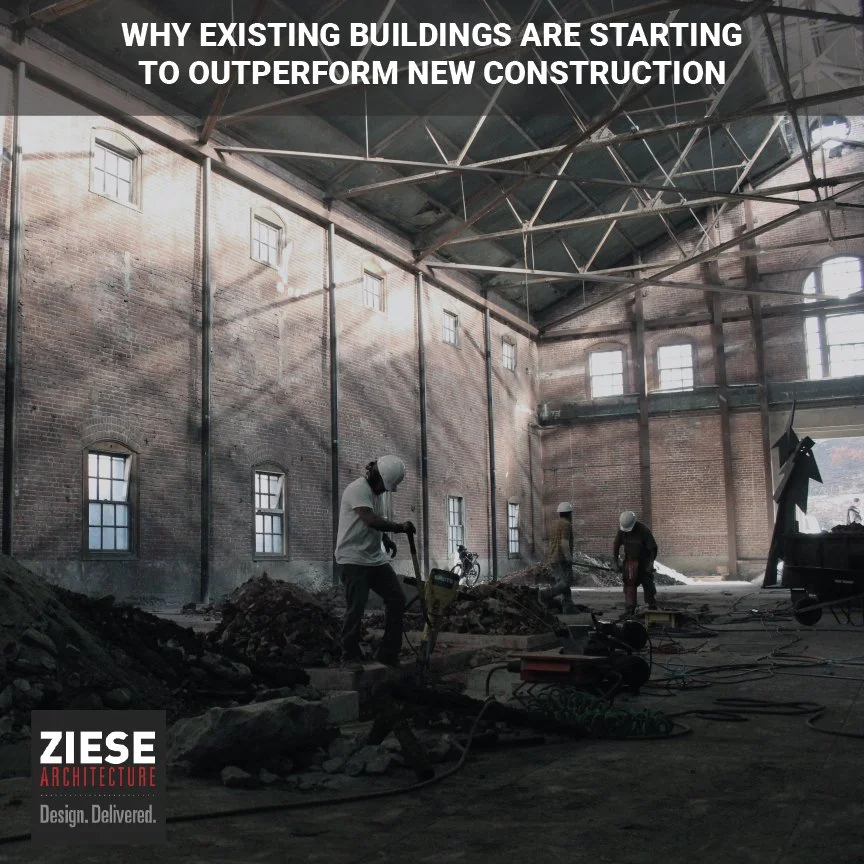
Why Existing Buildings Are Starting to Outperform New Construction
Rising construction costs, longer approval timelines, and evolving housing policy are changing the development equation in Los Angeles. As adaptive reuse becomes more feasible citywide, existing buildings are increasingly offering a faster, lower-carbon, and often less risky path forward than starting from scratch.
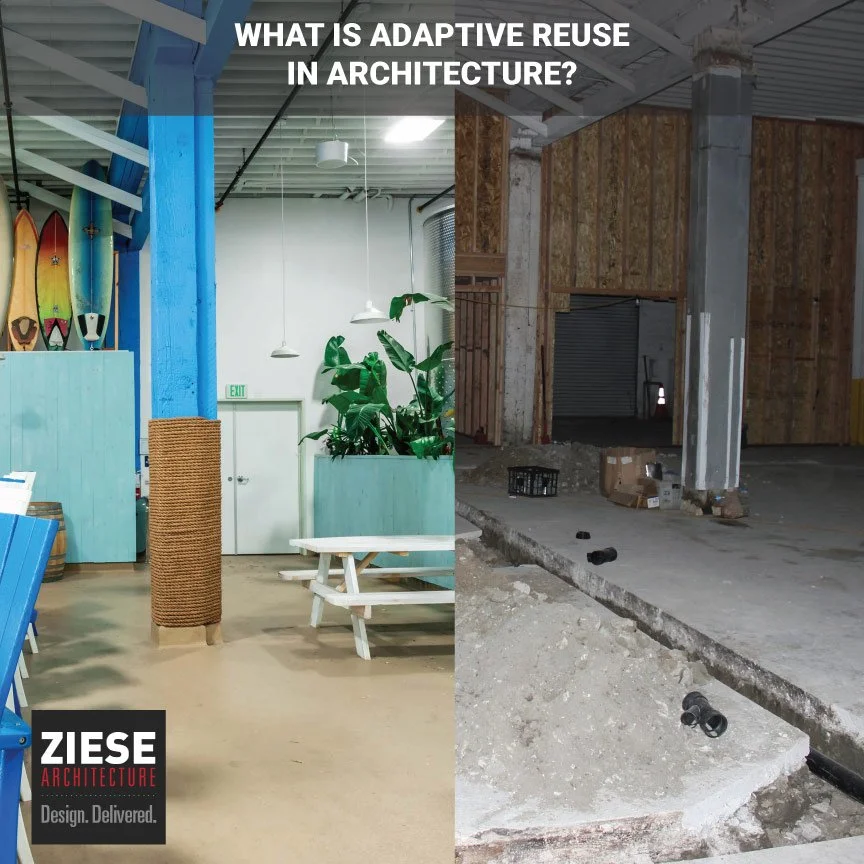
Adaptive Reuse in Architecture: Strategy, Constraints, and California’s Shift
Adaptive reuse is not a style but an architectural strategy—one that works within existing buildings to transform obsolete structures into viable, code‑compliant spaces. In California, evolving policy, building codes, and incentives have made reuse an increasingly practical alternative to demolition and new construction.