
Adaptive Reuse in Los Angeles.
We transform existing buildings — industrial, historic, underused — into something the city hasn’t seen yet. It’s the hardest work in architecture. It’s also our best.

Why Adaptive Reuse is Different.
Los Angeles is not a city of empty lots. It's a city of existing buildings—former factories, aging warehouses, commercial strips, and historic structures that were never designed for the uses they need to support today.
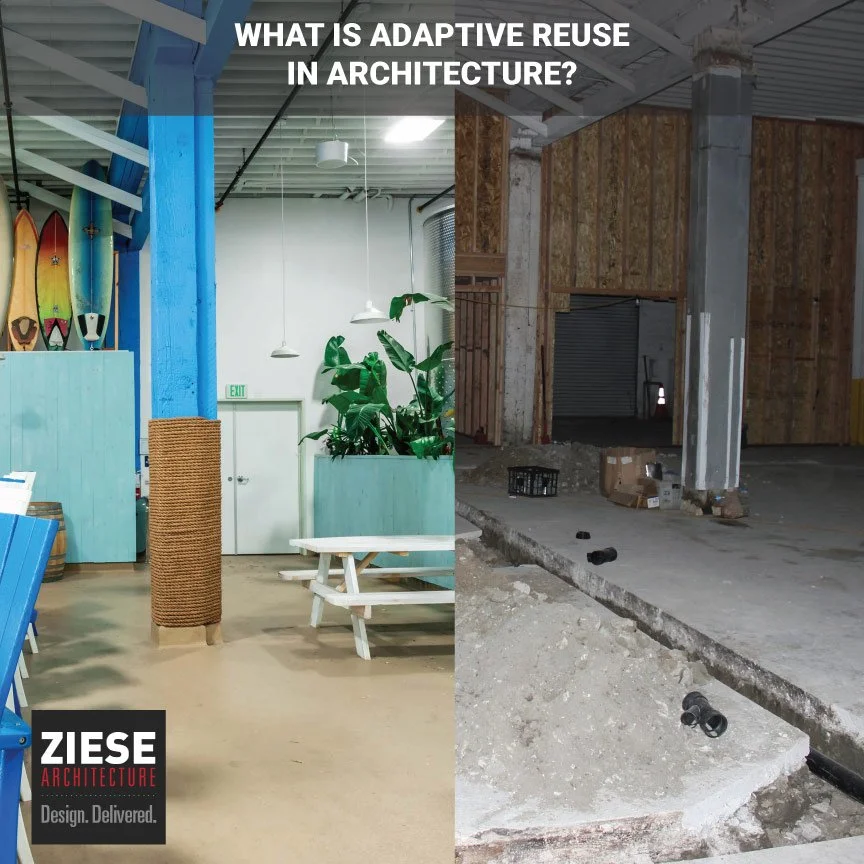
Adaptive reuse transforms those buildings instead of replacing them. It can unlock new value, preserve community character, and reduce environmental impact. It also comes with complex code, permitting, and regulatory challenges that many firms choose to avoid.
At Ziese Architecture, we evaluate building conditions, code requirements, entitlement pathways, and permitting constraints before design begins, helping clients understand what's feasible and identify challenges early.
Since 2011, we've helped clients reposition and repurpose existing buildings throughout Los Angeles, navigating changes of occupancy, historic review, seismic upgrades, and approval processes that often determine whether a project succeeds.
You don't find that expertise in renderings. You find it in approved plans and issued permits.
Experience Where Complexity Matters.
Over the last two decades, we've developed deep experience in the types of projects that often require more than conventional design services. Our work includes historic structures and Mills Act properties, the repositioning of industrial and commercial buildings, and hospitality conversions ranging from boutique hotels to event venues.
We regularly navigate projects involving specialized occupancies, including breweries, cannabis facilities, and live-work environments, as well as fire rebuilds and reconstruction efforts throughout Southern California. Many of these projects require navigating LADBS approvals, entitlement processes, and multi-agency reviews—the regulatory challenges that can determine whether a project moves forward or stalls.
These are the projects where experience, strategy, and permitting expertise matter most.
What Adaptive Reuse Actually Means in LA.
Change of Occupancy:
Converting a warehouse into a brewery, creative office, studio, or retail use often triggers a change of occupancy. We evaluate those implications early and build the design and permitting strategy around them.
Seismic Retrofit:
Many existing Los Angeles buildings require seismic upgrades. We coordinate with structural engineers, define the scope early, and integrate retrofit requirements into the project rather than treating them as an afterthought.
Historic Designation & Mills Act:
Historic properties often come with both opportunities and constraints. We help owners navigate preservation requirements while identifying potential incentives, including Mills Act property tax reductions where applicable.
Regulatory Strategy:
Adaptive reuse projects frequently involve building code analysis, zoning review, planning approvals, and entitlement coordination. We develop a single compliance strategy that keeps the project moving efficiently from due diligence through construction.

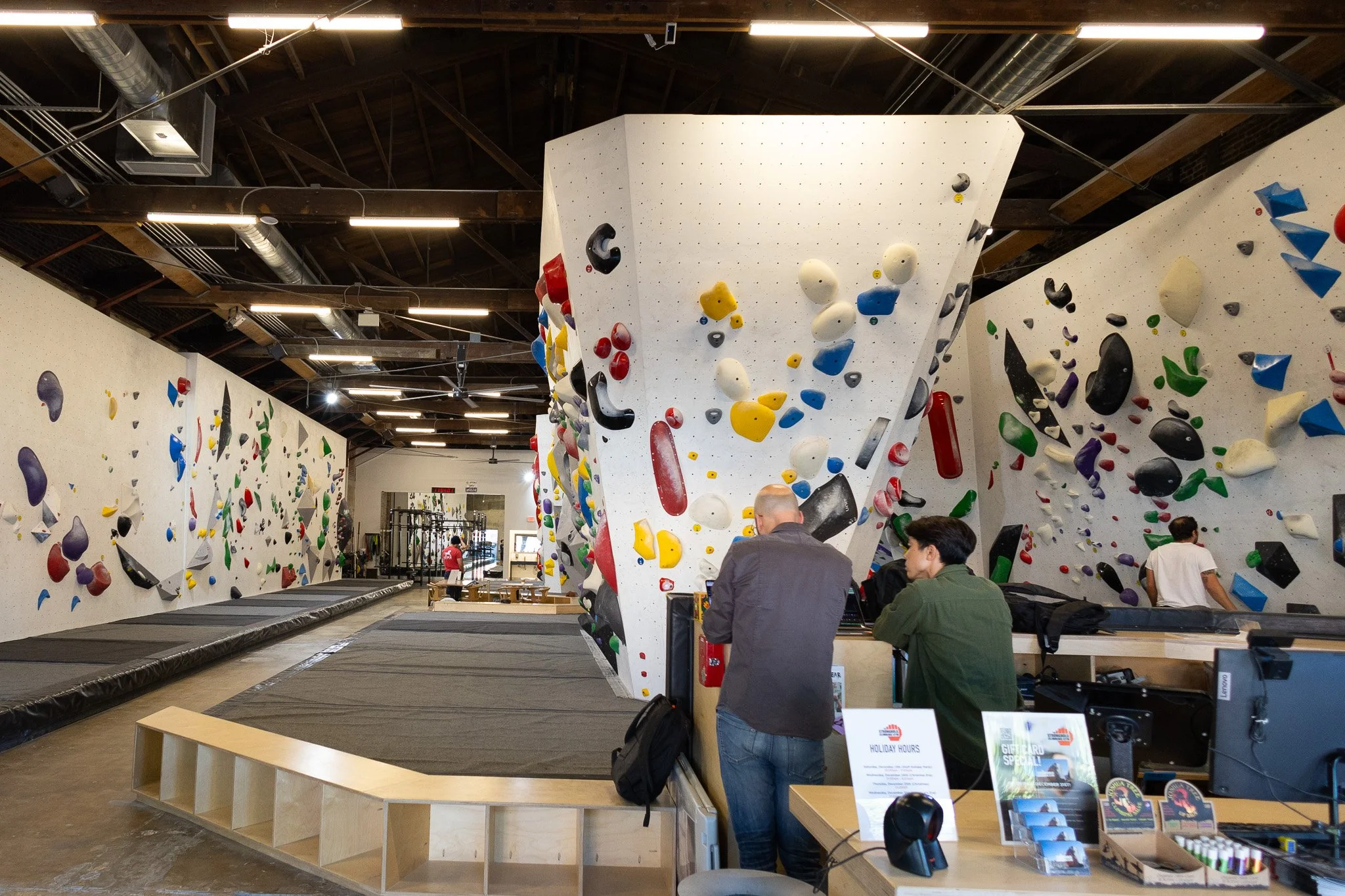
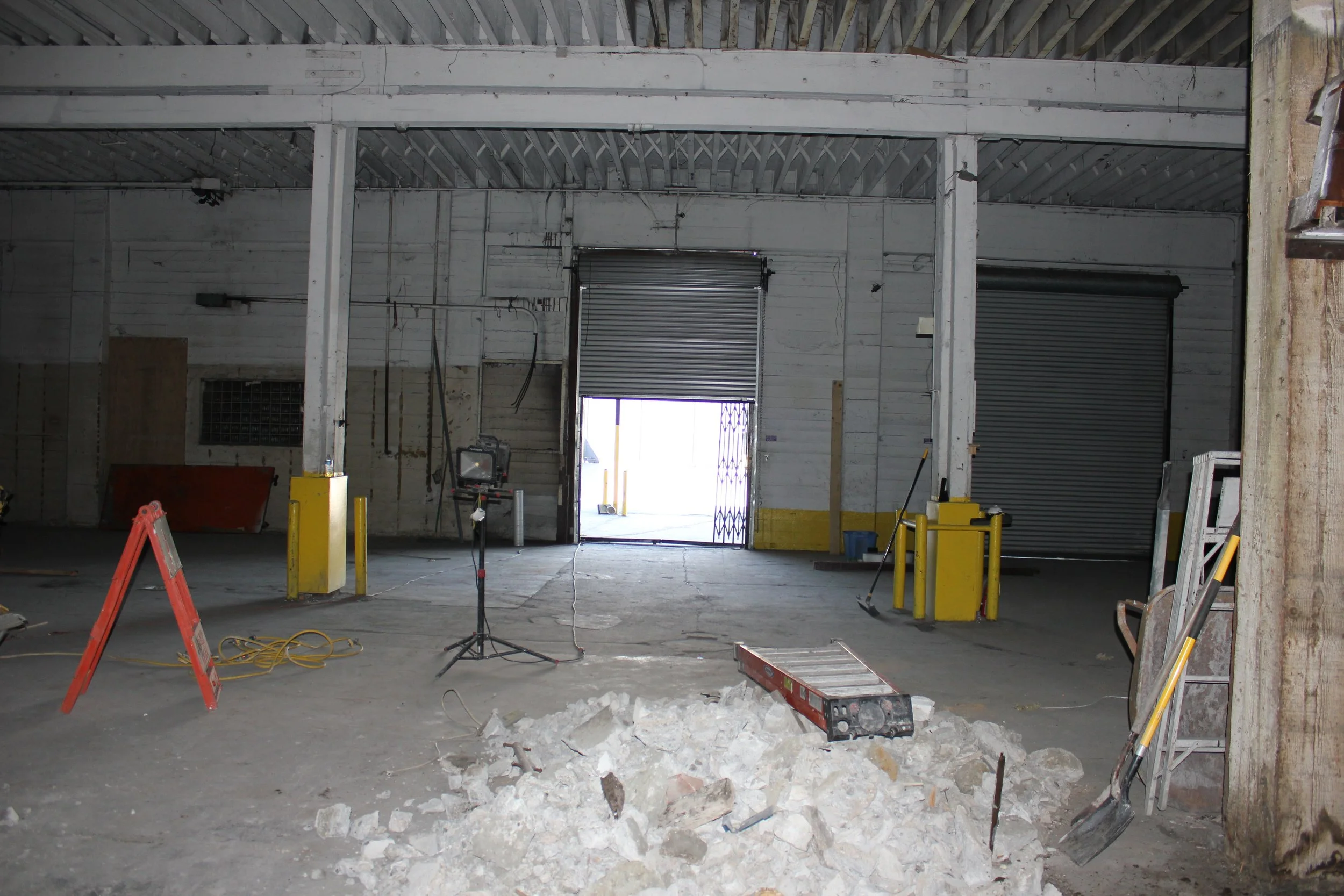
Stronghold Climbing Gym, Lincoln Heights.
A 1920s industrial building near the LA River, converted into a bouldering gym. The challenge wasn't aesthetic — it was proving a change of occupancy and the required life-safety upgrades could be accommodated within the existing masonry structure.

101 Cider House.
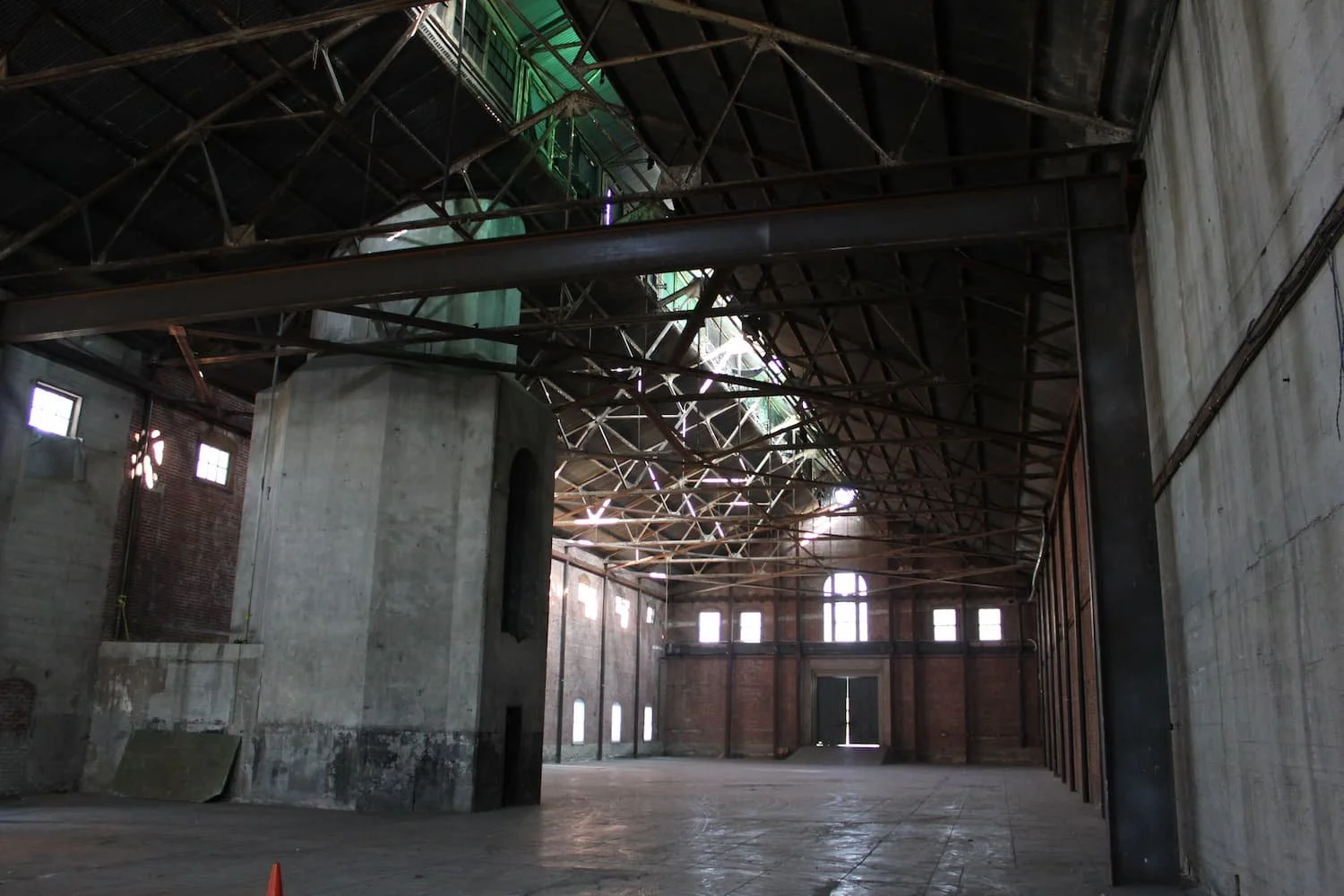
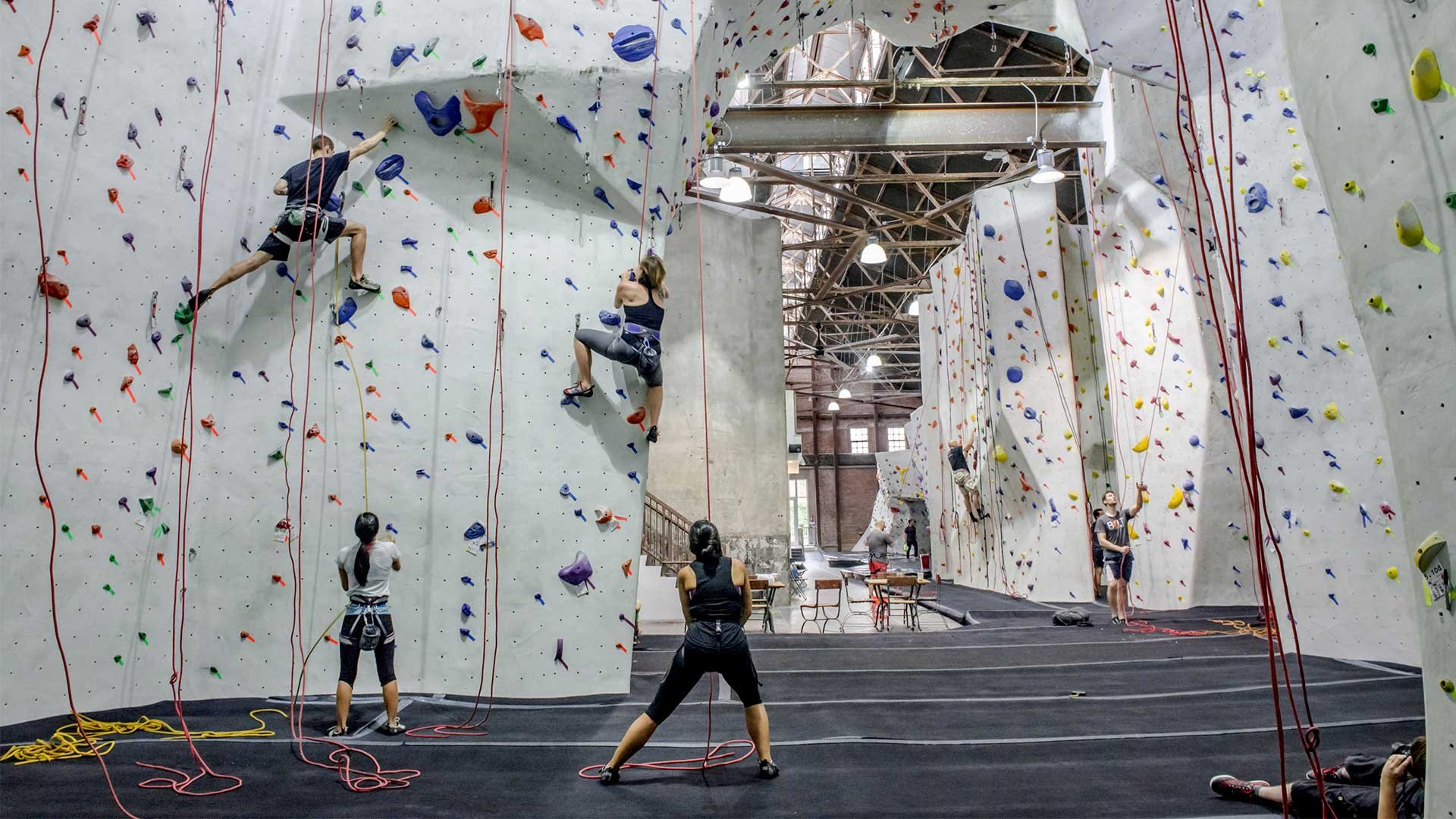
A small industrial building near downtown, reimagined as a hospitality venue. The project transformed an underused structure into an active gathering space while working within the building's existing footprint and code constraints.
"Our building was built in 1911, so we had plenty of problems to solve. Daniel is a high-level thinker who can come up with effective solutions to just about any problem."
— Mark McTavish, 101 Cider House | 5.0 Houzz

Who Hires Us for Adaptive Reuse.
Developers & Investors:
If you're acquiring an existing commercial or industrial building for repositioning, we help identify development constraints before closing and determine what approvals, improvements, and opportunities may affect the asset's value.
Business Owners:
If you've found the right building but it wasn't designed for your business, we guide the project from existing conditions through permitting and occupancy, helping create a clear path to opening and operation.
Mission-Driven Organizations:
Nonprofits, faith communities, cultural institutions, and public-serving organizations often occupy older or nonconforming buildings. We understand the realities of limited budgets, complex approvals, and operational constraints while helping organizations move projects forward.
Public Agencies (DBE/MBE/SBE):
Ziese Architecture holds DBE, MBE, and SBE certifications. We support adaptive reuse and existing-building projects as both prime consultants and specialty architectural partners, helping agencies navigate complex building conditions and approval processes.
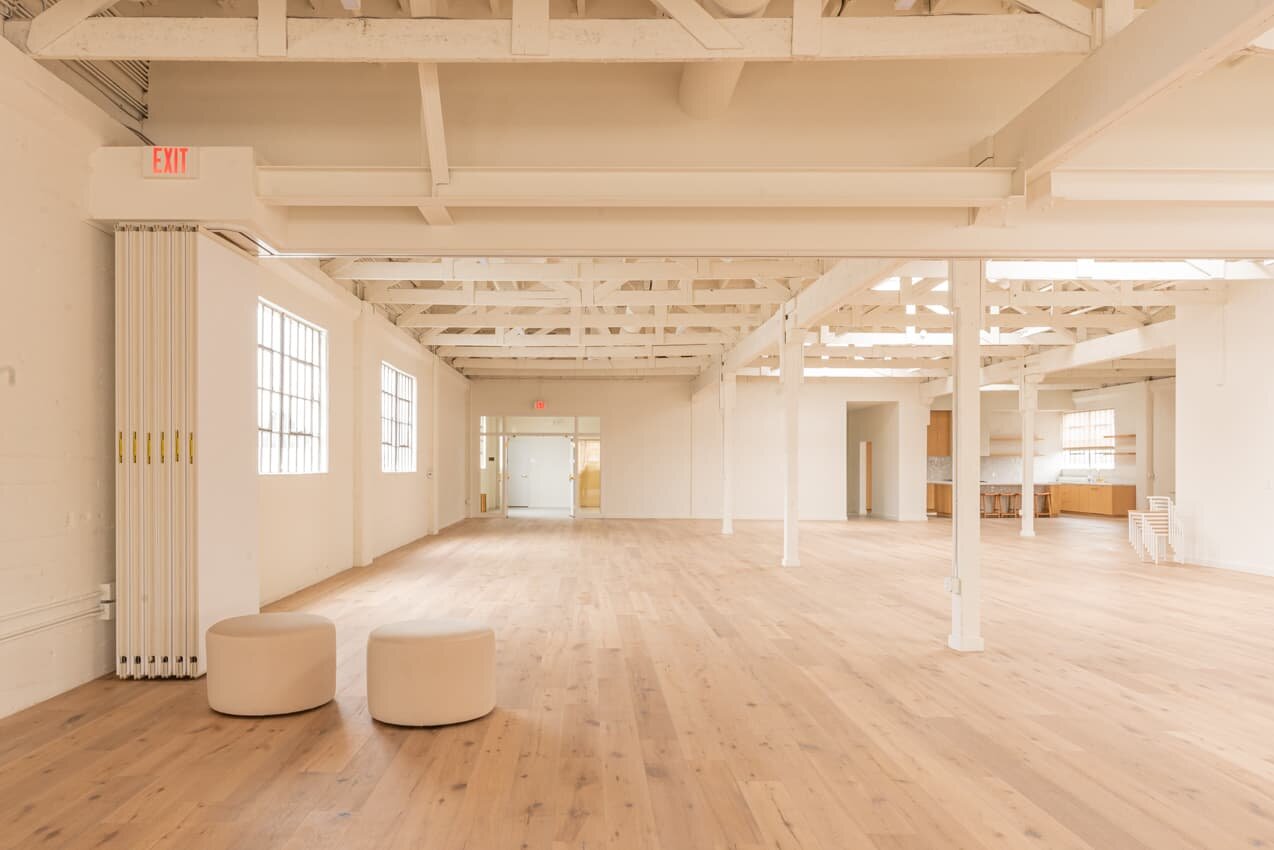
The Revery.
An existing structure reworked with a glass-and-steel entry sequence. The project retained the building's original bones while transforming how it engages the street and functions internally.
"His work is professional and he is well versed in city codes and permitting."
— Monica Wang, The Revery | 5.0 Houzz
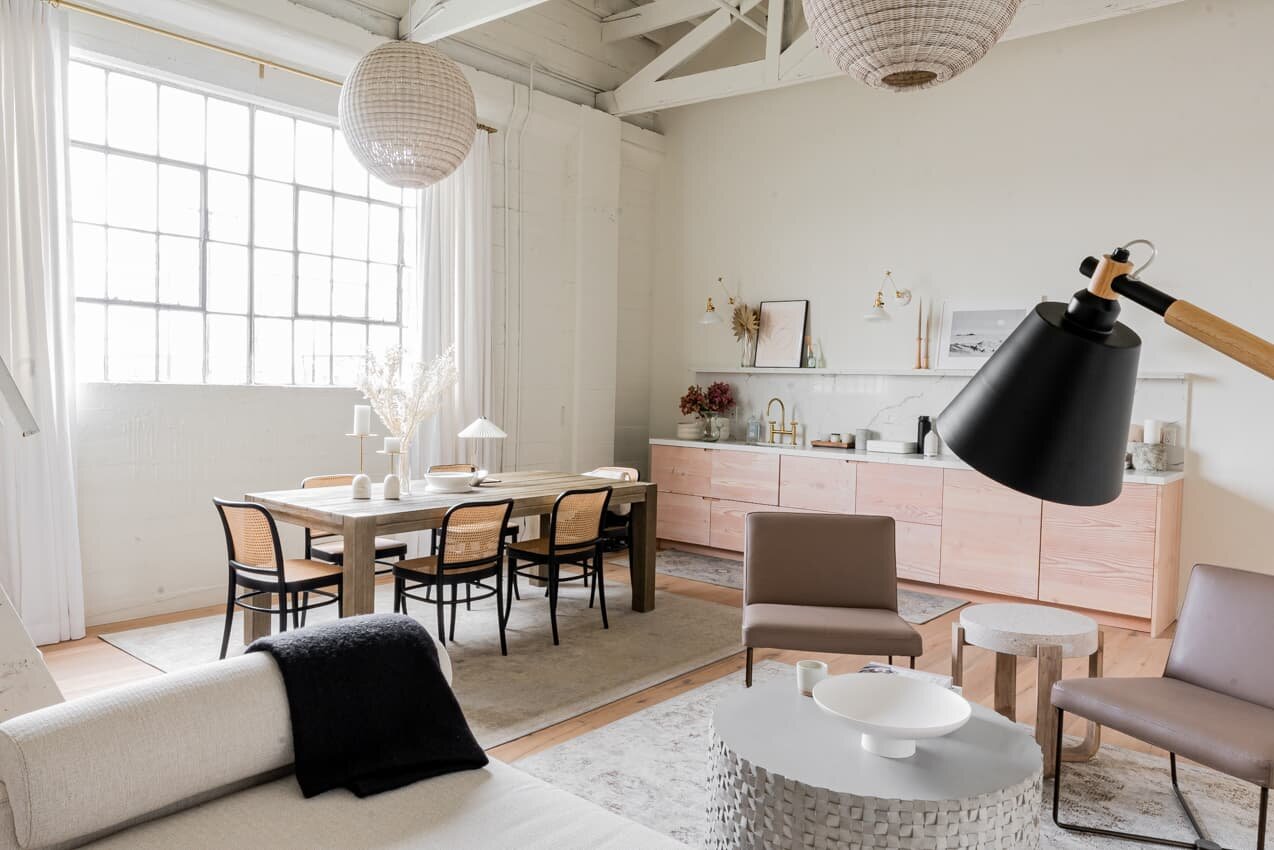
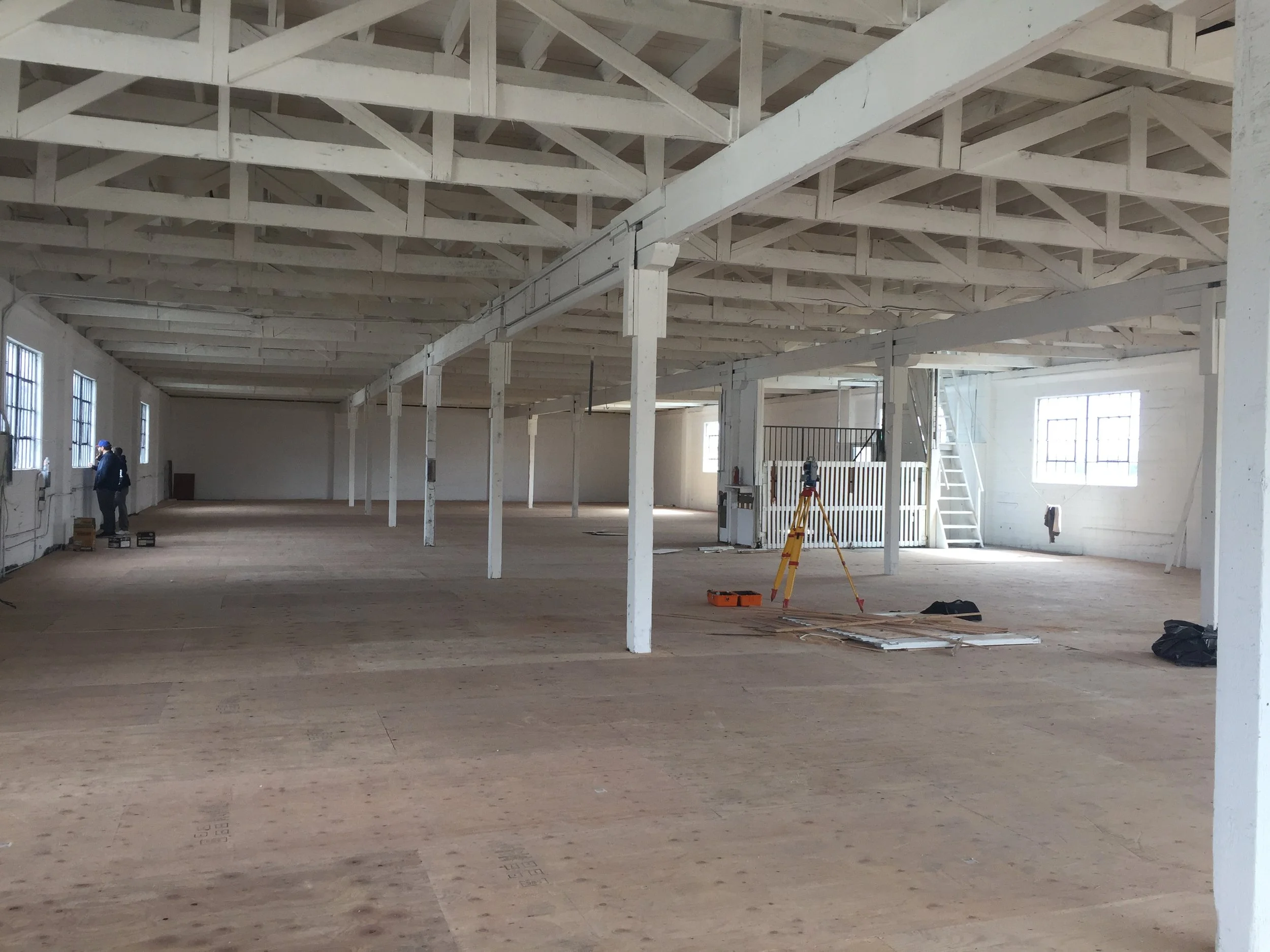
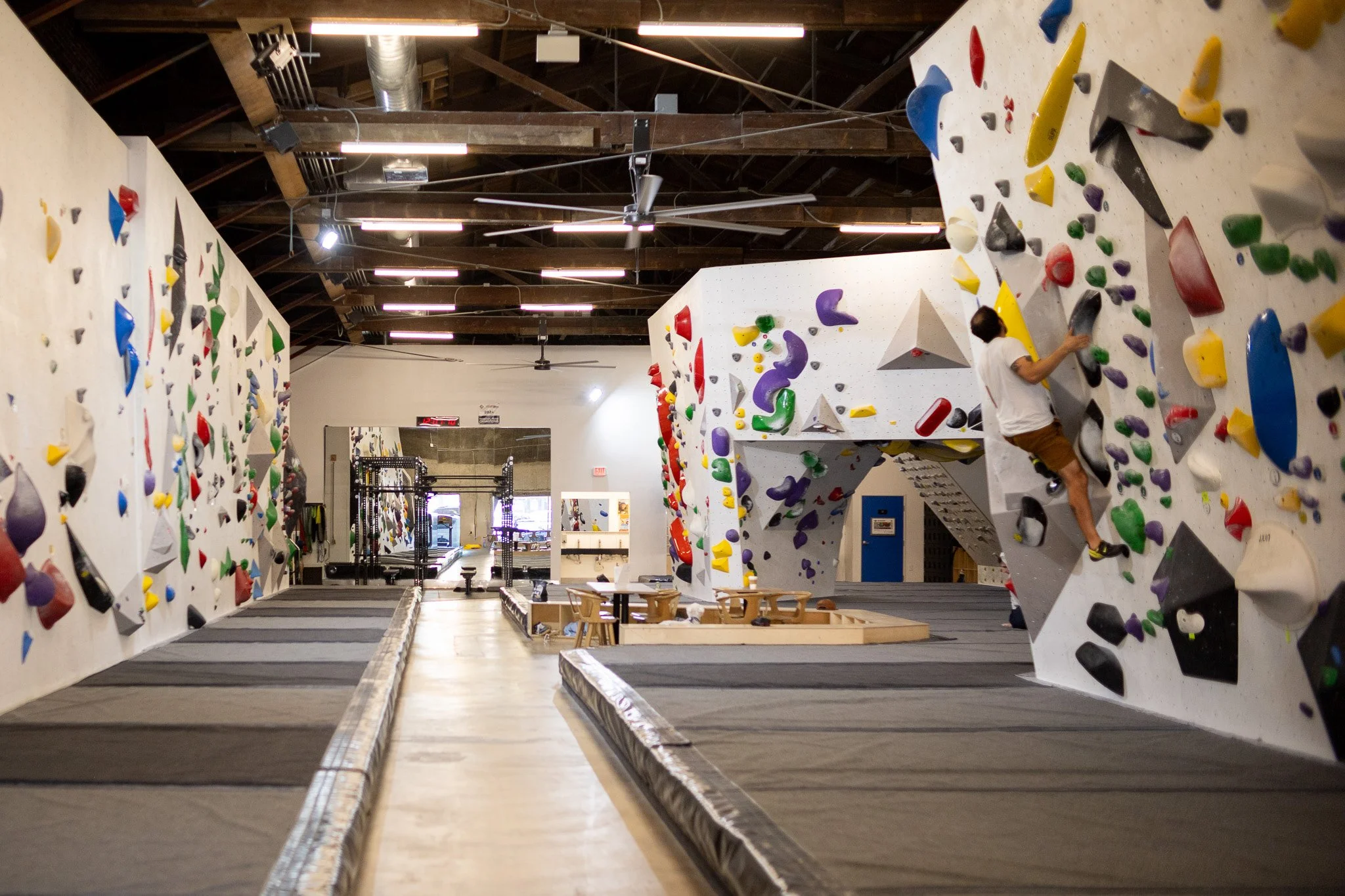
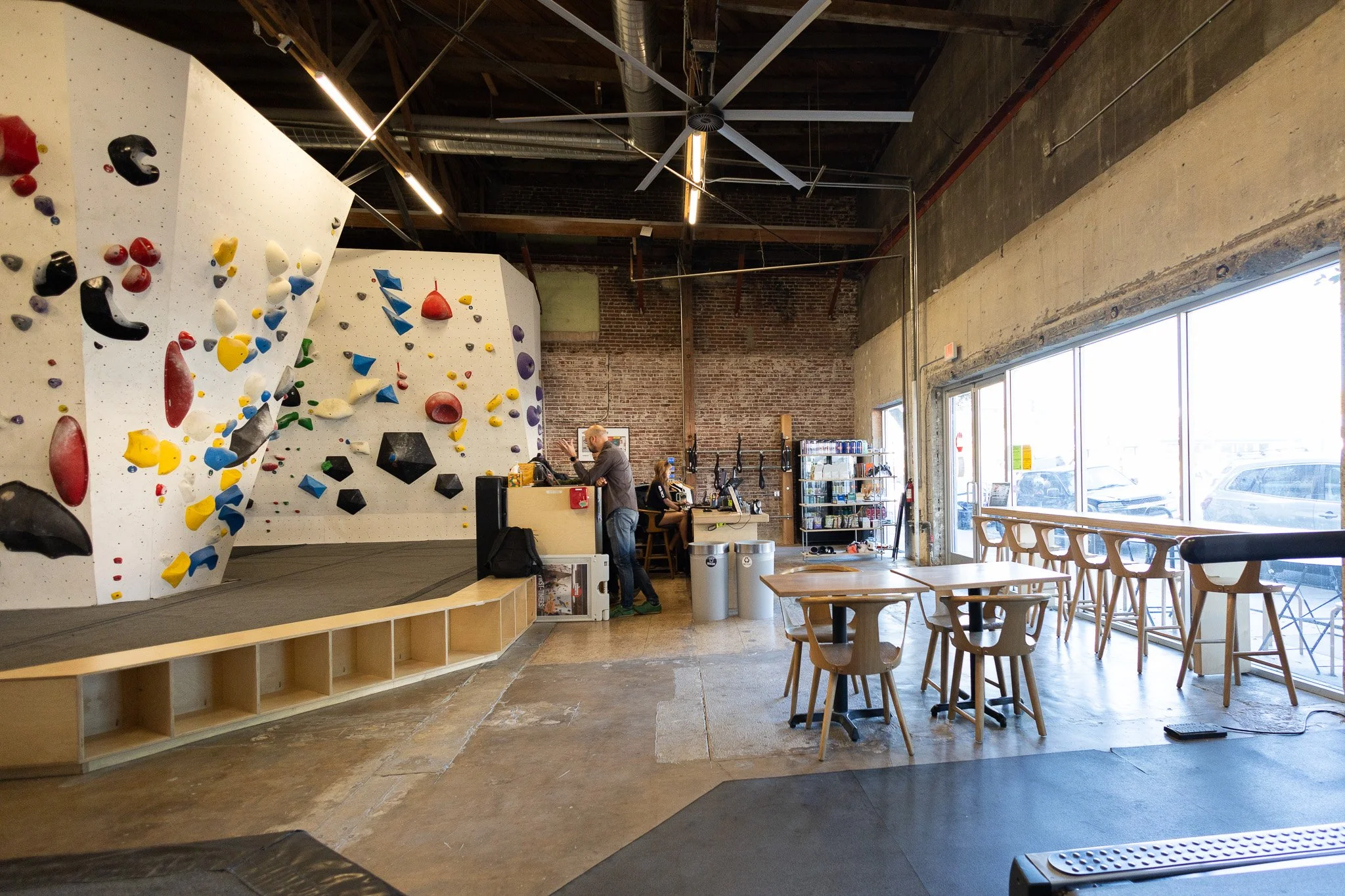
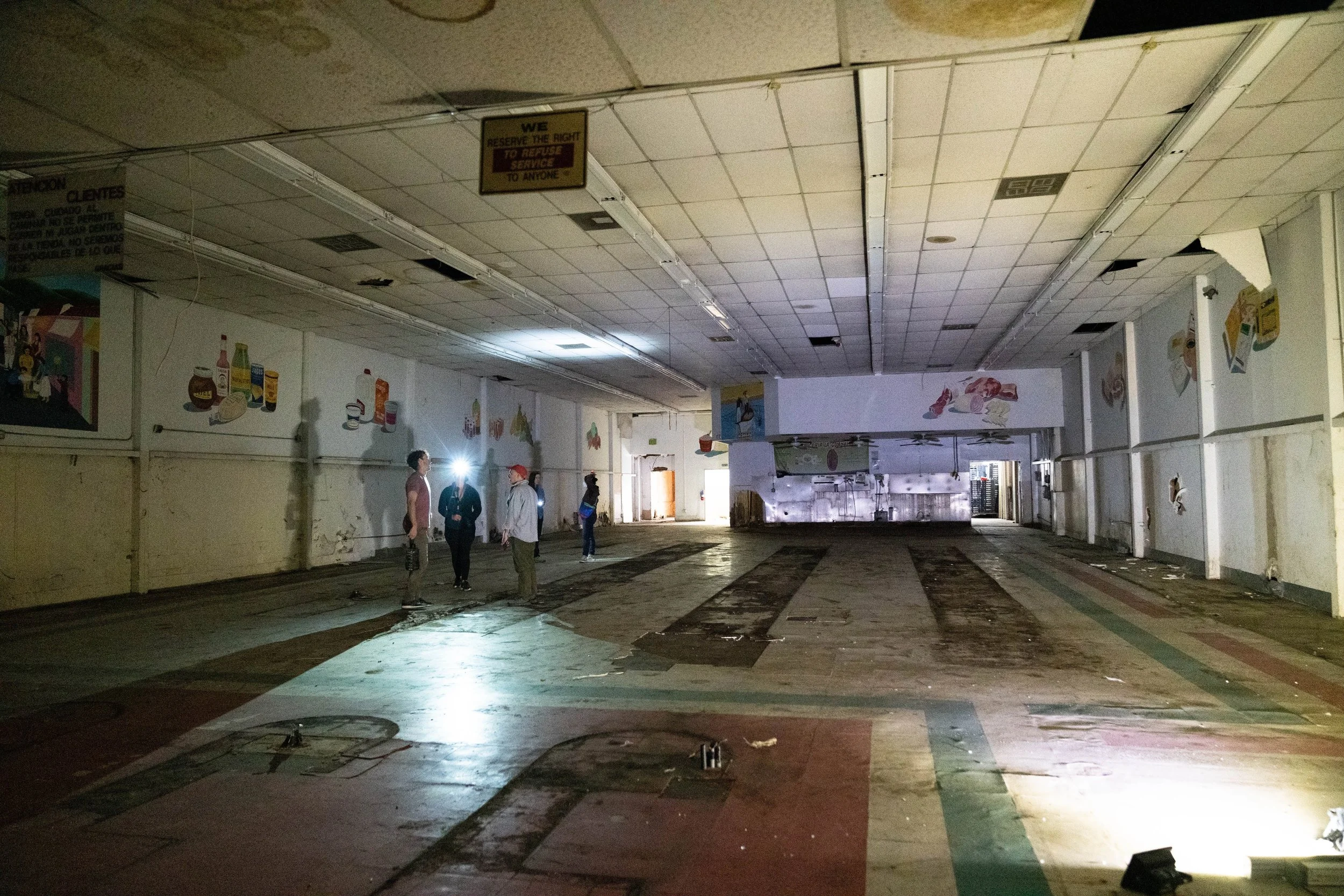
Stronghold Climbing Gym, Echo Park.
A second underused industrial building, converted alongside the Lincoln Heights location. Same challenge, different structure — proving the change of occupancy and required life-safety upgrades could be accommodated within the existing building.
Frequently Asked Questions.
-
Adaptive reuse is the process of converting an existing building to a new use while retaining all or part of the original structure. Projects often involve commercial, industrial, institutional, and historic buildings.
-
Determining suitability typically requires a feasibility review that evaluates zoning, building code requirements, occupancy classification, site constraints, and the condition of the existing structure.
-
Adaptive reuse refers to repurposing an existing building for a new use. A change of occupancy is a building code condition that may occur during an adaptive reuse project and can trigger additional code requirements.
-
Not always. Existing buildings may qualify for alternative compliance pathways depending on the building type, proposed use, applicable codes, and historic status.
-
Yes. Many historic buildings can be adapted for new uses while preserving significant architectural features and complying with applicable preservation requirements.
-
We assist building owners, developers, nonprofits, and public agencies with adaptive reuse, building conversions, change-of-use projects, historic rehabilitation, and feasibility studies.
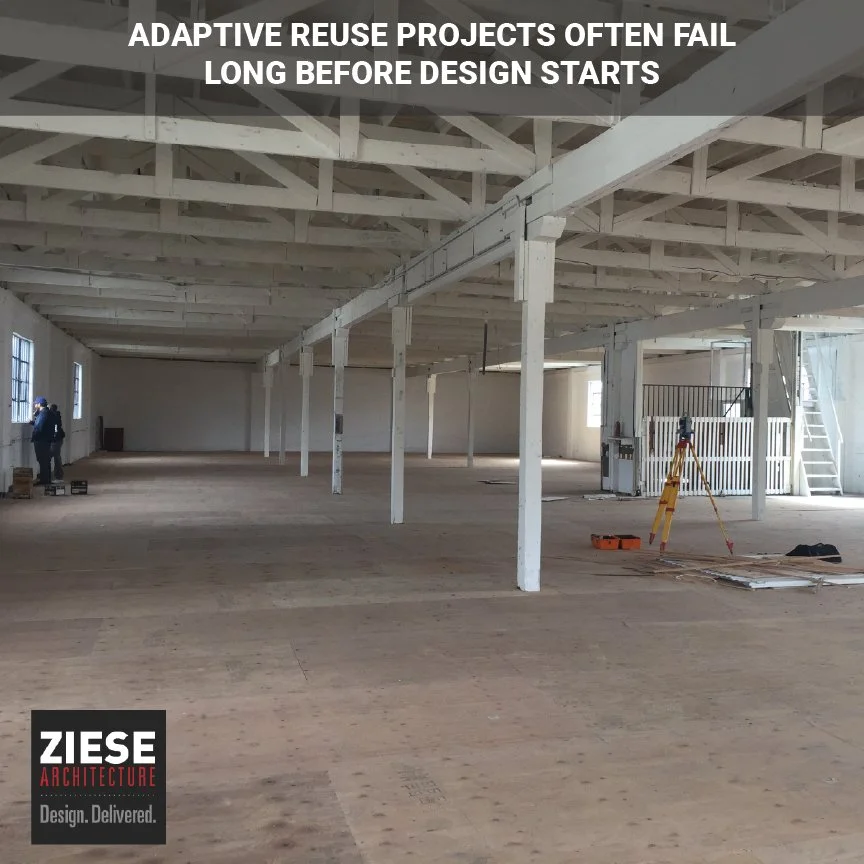

Wondering whether a property, lease, or development opportunity is worth pursuing? An architectural feasibility study helps identify zoning constraints, code requirements, approval risks, infrastructure limitations, and other potential obstacles before significant resources are invested. Learn what a feasibility study includes, when it's worth paying for, and how early due diligence can help protect your budget, schedule, and long-term project goals.