
Perspectives on Architecture and Practice.
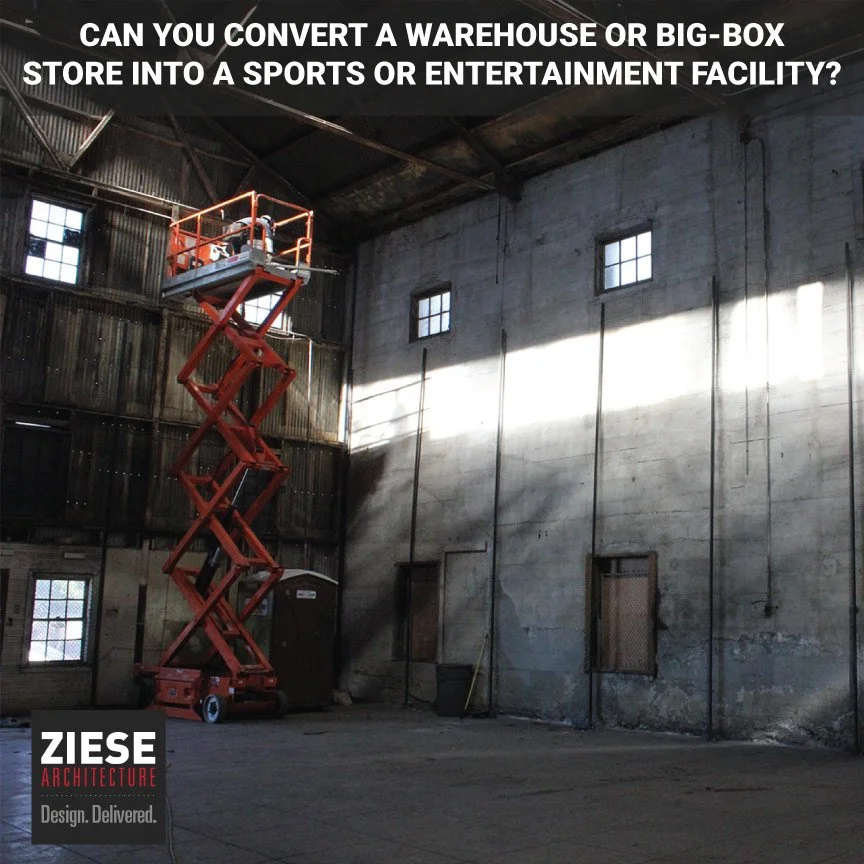
Can You Convert a Warehouse or Big-Box Store Into a Sports or Entertainment Facility?
Many sports and entertainment businesses begin with the same question: Can this building work for our concept? A vacant warehouse or former retail store may offer the size and visibility operators need, but factors such as ceiling height, parking, accessibility, structural capacity, and permitting can dramatically affect feasibility. This article examines what property owners and operators should evaluate before committing to a large commercial building conversion.
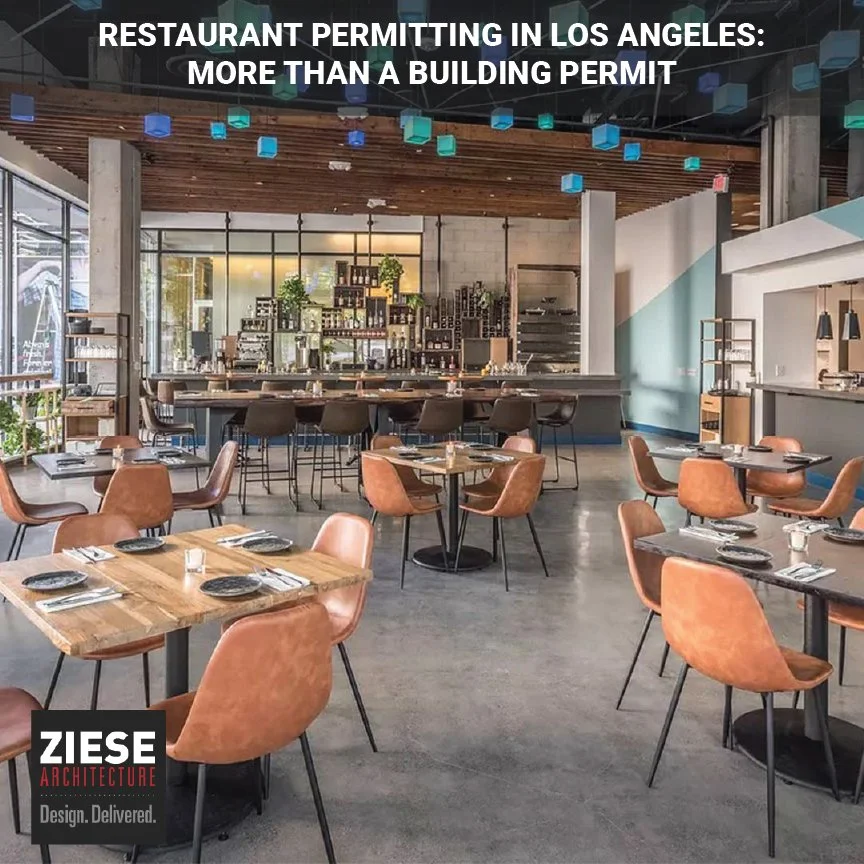
Restaurant Permitting in Los Angeles: More Than a Building Permit
Opening a restaurant in Los Angeles involves far more than obtaining a building permit. Health Department review, fire-life-safety requirements, utility capacity, parking, accessibility, and change-of-use regulations can all affect a project's cost and timeline. Learn the issues restaurant owners should evaluate before signing a lease and why early feasibility analysis can prevent expensive surprises.
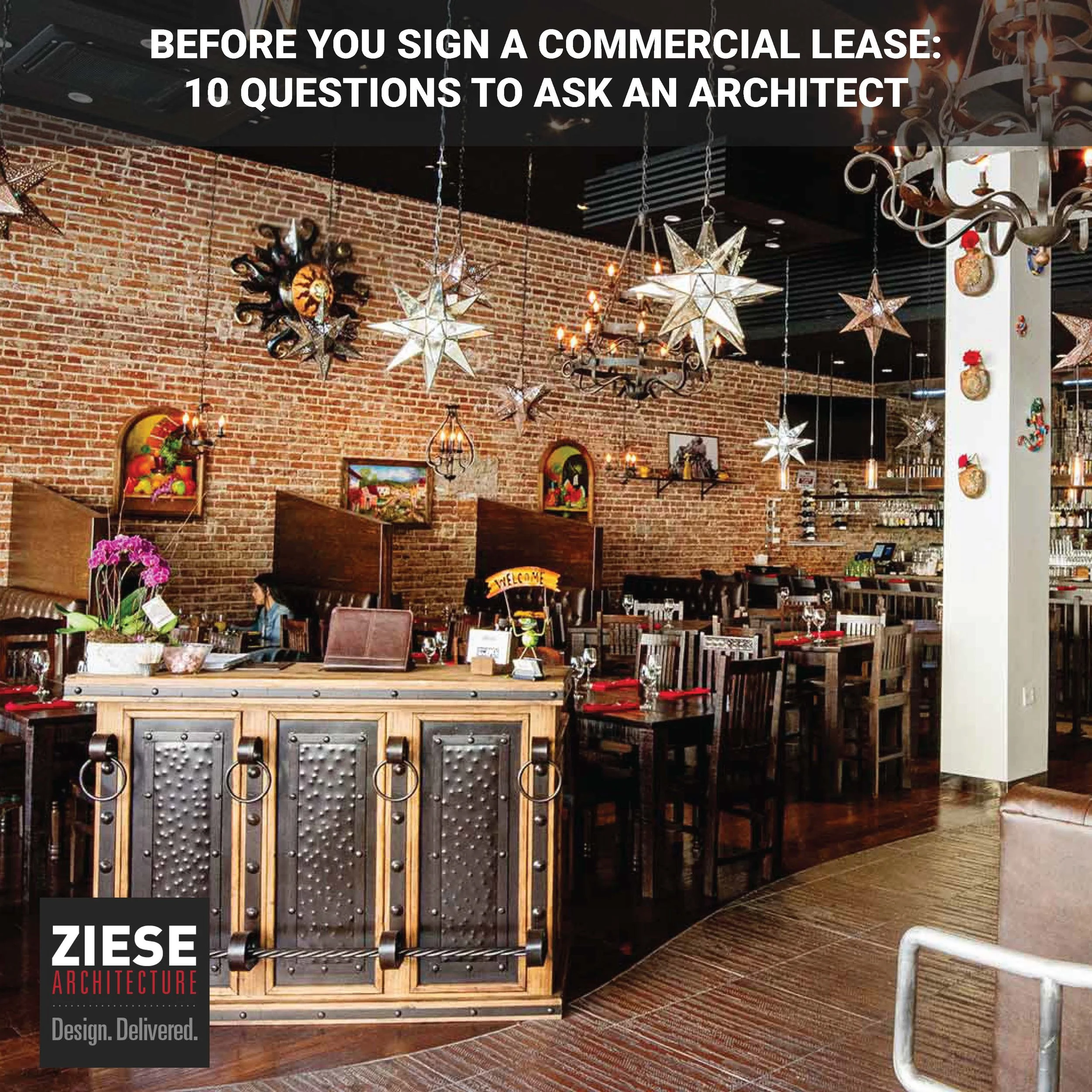
Before You Sign a Commercial Lease: 10 Questions to Ask an Architect
Before you sign a commercial lease, make sure you understand more than just the rent and location. Hidden issues such as zoning restrictions, occupancy changes, accessibility upgrades, parking deficiencies, utility limitations, and permitting requirements can significantly affect your project's cost, schedule, and feasibility. Learn the 10 questions every tenant should ask an architect before committing to a space and discover how early due diligence can help you avoid costly surprises down the road.
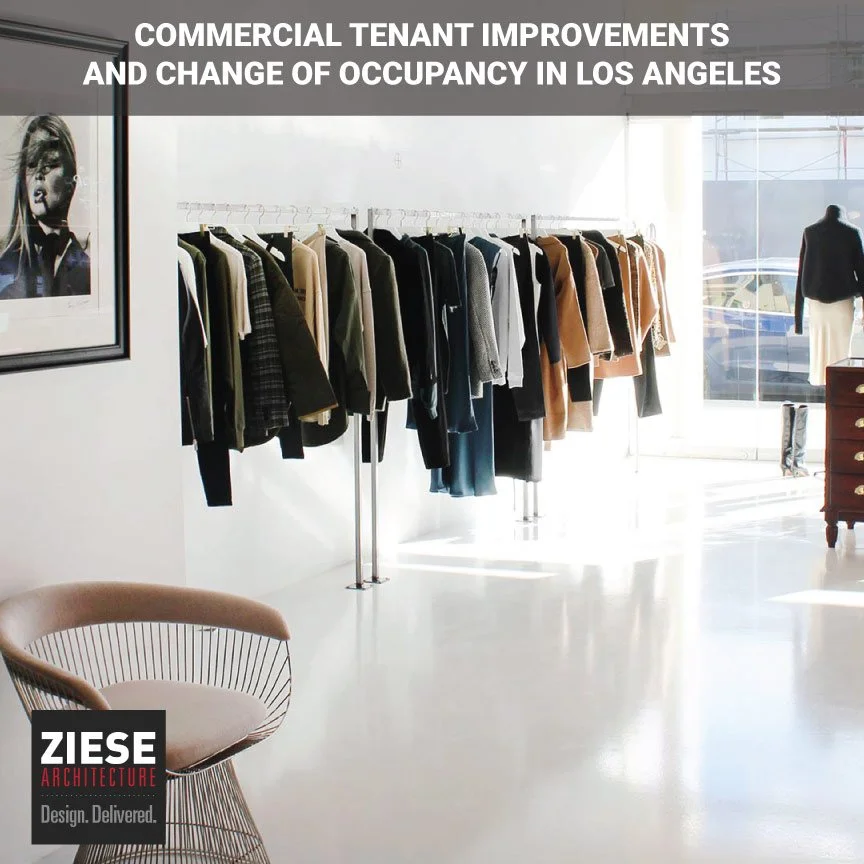
Commercial Tenant Improvements and Change of Occupancy in Los Angeles
Commercial tenant improvement projects in Los Angeles often involve more than interior renovations. This article explains when tenant improvements trigger a change of occupancy—and how that affects permitting, building codes, and project feasibility.
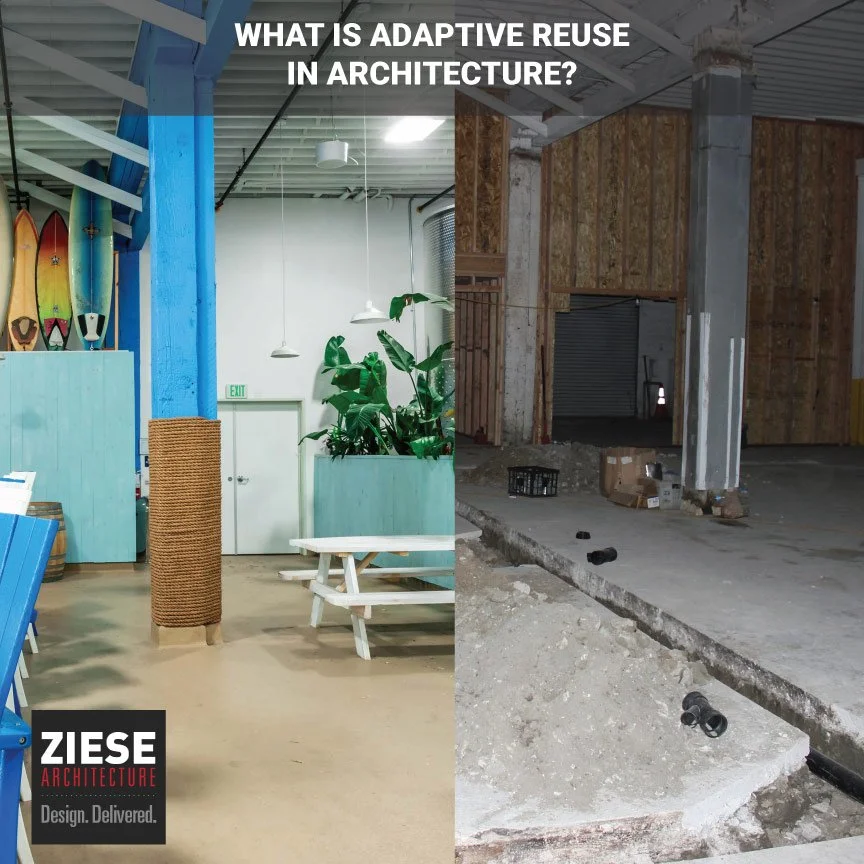
Adaptive Reuse in Architecture: Strategy, Constraints, and California’s Shift
Adaptive reuse is not a style but an architectural strategy—one that works within existing buildings to transform obsolete structures into viable, code‑compliant spaces. In California, evolving policy, building codes, and incentives have made reuse an increasingly practical alternative to demolition and new construction.
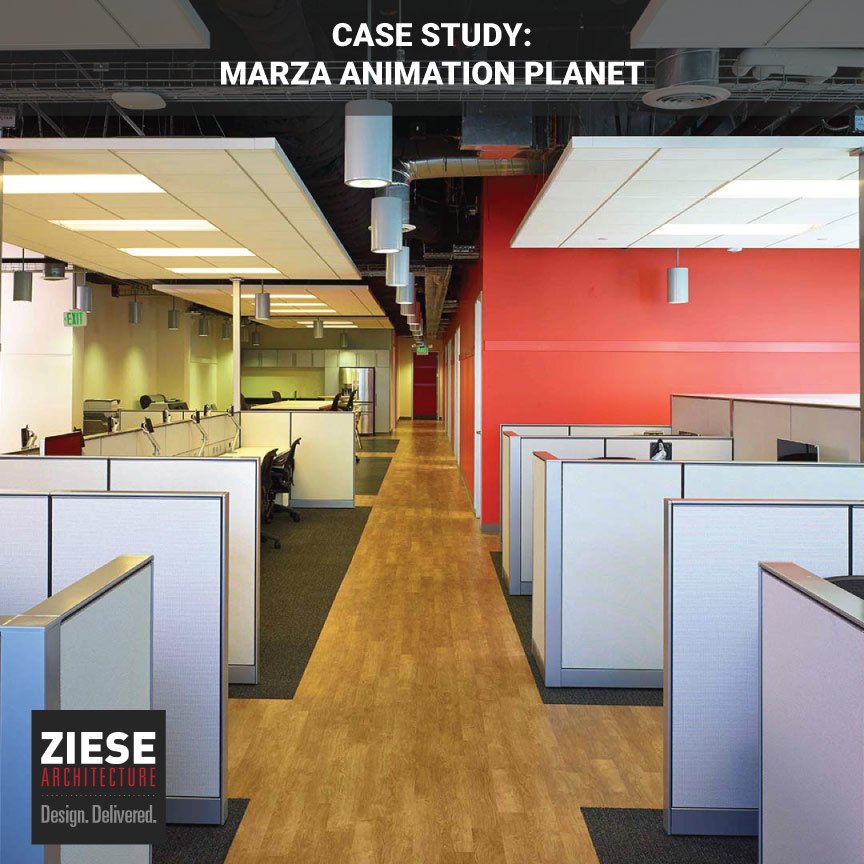
CASE STUDY: Marza Animation Planet
From bland office to creative powerhouse: How Ziese Architecture transformed Marza Animation Planet's Burbank studio into a dynamic workspace that breathes life into Sega's innovative CGI division. This case study shows how smart design can turn a generic space into a catalyst for creativity.
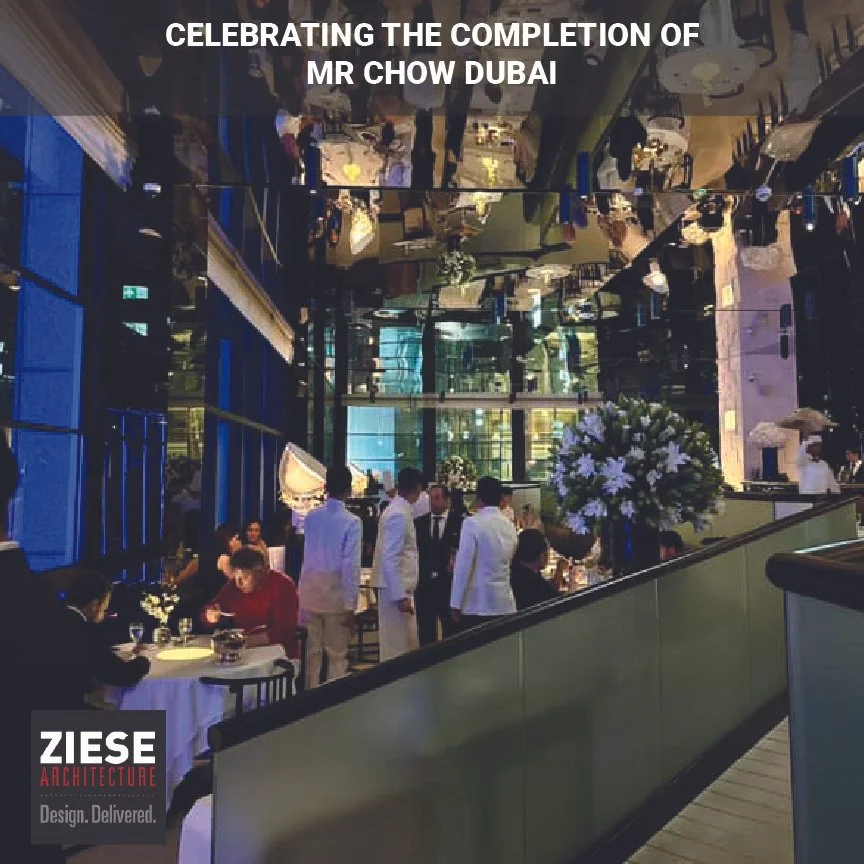
Celebrating the Completion of MR CHOW Dubai
Mr Chow Dubai has officially opened its doors, bringing the brand’s signature elegance and modern style to the city. Featuring a dramatic mirrored ceiling and bold design details, the new second-floor restaurant sets the stage for a truly elevated dining experience.